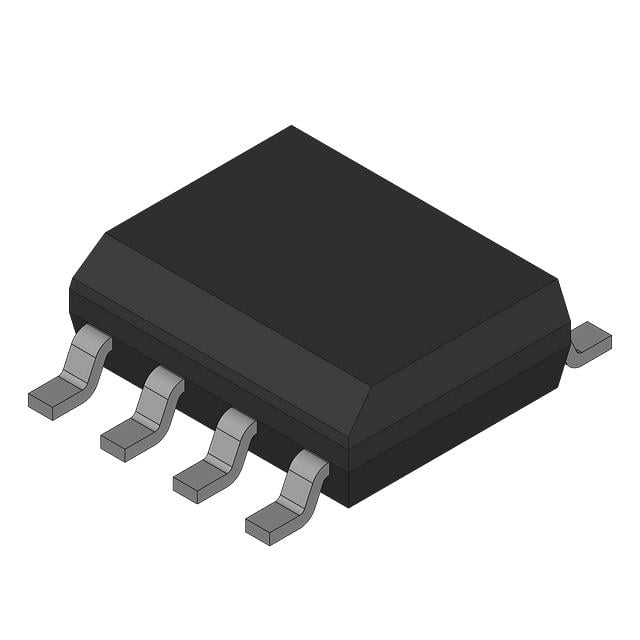
The LM393PW is a dual comparator from Texas Instruments, designed for applications requiring high performance, low power consumption, and versatility. This device is particularly well-suited for signal conditioning, level shifting, and various analog applications. Below is a detailed overview of its specifications, features, and typical applications.
## Overview
The LM393 is a dual comparator IC, meaning it contains two independent, high-speed, and low-power comparators. This configuration allows for effective comparison of analog signals, making it a popular choice in many electronic designs.
## Key Specifications
- Type: Dual Comparator
- Supply Voltage (V_CC): 2V to 36V
- Input Common Mode Voltage Range: -0.3V to V_CC - 2V
- Output Voltage Range: Close to ground level (output can sink current to ground)
- Input Offset Voltage: Typically 2mV (max 7mV)
- Propagation Delay: Typically 300ns at V_CC = 5V
- Output Sink Current: 20mA
- Power Supply Current: Typically 0.5mA per comparator
- Temperature Range: -40°C to +125°C
- Package: Available in a variety of packages, including PW (SOIC), PDIP, and others.
## Features
1. Dual Comparator Configuration: The LM393 contains two comparators that can operate independently or together, providing design flexibility.
2. Wide Supply Voltage Range: With a supply voltage range of 2V to 36V, the LM393 can be used in a wide variety of applications.
3. Low Power Consumption: The device operates with a low supply current, making it suitable for battery-powered applications.
4. High Speed: With a propagation delay of only 300ns, the LM393 is capable of fast signal processing.
5. Rail-to-Rail Output: The output can swing close to ground, making it suitable for low-voltage applications.
6. Temperature Range: The LM393 is designed to function in a wide temperature range, ensuring reliability in harsh conditions.
## Applications
- Signal Conditioning: Used to compare signals and generate output based on predefined thresholds.
- Level Shifting: Useful in applications where different voltage levels need to be compared or managed.
- Zero Crossing Detectors: Commonly employed in phase-locked loops and motor control circuits.
- Window Comparators: Configured to provide output when input signals are within a specific voltage range.
- Voltage Level Detection: Can be used in voltage monitoring and alarm circuits.
## Typical Application Circuit
In a typical application, the LM393 can be set up as a simple voltage comparator where one input is connected to a reference voltage and the other to a variable input signal. The output can be connected to a microcontroller or other logic devices to trigger actions based on the comparison.
## Package Information
The LM393PW is typically housed in a SOIC-8 package, which provides a compact design suitable for modern PCB layouts. The small footprint and surface mount configuration facilitate ease of integration into diverse applications.
## Conclusion
The Texas Instruments LM393PW dual comparator offers a combination of performance, flexibility, and low power consumption, making it ideal for a wide range of analog signal processing tasks. Whether used in consumer electronics, industrial applications, or automotive systems, the LM393 is a reliable choice for engineers seeking a versatile comparator solution.