LM139J
LM139J
Active
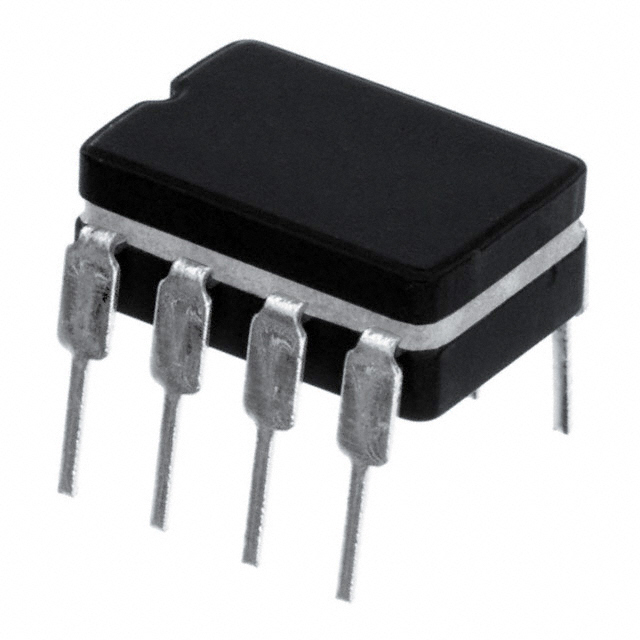
Description:  IC COMPARATOR 4 DIFF 14CDIP
Manufacturer:  Texas Instruments
Datasheet:   LM139J Datasheet
History Price: Active
In Stock: 33800
LM139J Specification
Specification
Part No
LM139J
Category
Linear - Comparators
Manufacturer
Texas Instruments
Series
-
Packaging
Tube
Status
Active
Environmental Compliance
Lead Free
Radiation Hardening
No
REACH SVHC
No SVHC
RoHS
Compliant
HS Code
-
Technical Parameter
Type
Differential
Number of Elements
4
Output Type
Open-Collector, Open-Drain
Voltage - Supply, Single/Dual (?
2V ~ 30V, ?V ~ 15V
Voltage - Input Offset (Max)
5mV @ 1.4V
Current - Input Bias (Max)
0.1μA @ 1.4V
Current - Output (Typ)
20mA
Current - Quiescent (Max)
2mA
CMRR, PSRR (Typ)
-
Propagation Delay (Max)
-
Hysteresis
-
Operating Temperature
-55 ℃ ~ 125 ℃
Package / Case
14-CDIP (0.300", 7.62mm)
Mounting Type
Through Hole
Supplier Device Package
14-CDIP
LM139J PDF Datasheet
LM139J Related Parts
LM106H/B
LM106H/B
Rochester Electronics
COMPARATOR, 1 FUNC, 3000UV OFFSE
LM111H
LM111H
Texas Instruments
IC COMPARATOR 1 GEN PUR TO99-8
LM111H/883
LM111H/883
National Semiconductor
IC COMPARATOR 1 DIFF TO99-8
LM111H/NOPB
LM111H/NOPB
Texas Instruments
IC COMPARATOR 1 GEN PUR TO99-8
LM111HRLQMLV
LM111HRLQMLV
National Semiconductor
IC COMPARATOR 1 DIFF TO99-8
LM111J-8
LM111J-8
Texas Instruments
IC COMPARATOR 1 GEN PUR 8CDIP
LM111J-8/NOPB
LM111J-8/NOPB
National Semiconductor
IC COMPARATOR 1 GEN PUR 8CDIP
LM111LB
LM111LB
Texas Instruments
COMPARATOR, 200NS RESPONSE TIME,
LM119H
LM119H
Texas Instruments
IC COMPARATOR 2 GEN PUR TO100-10
LM119H/883
LM119H/883
National Semiconductor
IC COMPARATOR 2 GEN PUR TO100-10
LM119H/NOPB
LM119H/NOPB
Texas Instruments
IC COMPARATOR 2 GEN PUR TO100-10
LM119HRQMLV
LM119HRQMLV
National Semiconductor
IC COMPARATOR 2 GEN PUR TO100-10
LM139J Description
The Texas Instruments LM139J is a quad comparator that is widely used in various electronic applications due to its versatility, reliability, and performance characteristics. Below is a detailed overview of the LM139J, including its specifications and typical applications.

## Overview

The LM139J is a quad voltage comparator, which means it contains four independent, high-speed voltage comparators. It is designed to compare two input voltages and output a digital signal indicating which input is higher. The LM139J is particularly useful in applications where precise voltage comparisons are required, such as in analog-to-digital converters, level shifters, and signal conditioning circuits.

## Key Features

1. Quad Comparator: Contains four independent comparators in a single package.
2. Wide Supply Voltage Range: Operates with a supply voltage range from 2V to 36V.
3. Low Input Offset Voltage: Typically 2mV, ensuring accurate voltage comparisons.
4. High Speed: The LM139J can switch at speeds up to 1.5µs, making it suitable for high-speed applications.
5. Open-Collector Output: The output stage is an open-collector configuration, allowing for wired-AND logic and easy interfacing with different voltage levels.
6. Low Power Consumption: The device consumes low quiescent current, making it suitable for battery-powered applications.

## Specifications

Here are the detailed specifications for the LM139J:

- Supply Voltage (Vcc): 2V to 36V
- Input Voltage Range: -0.3V to Vcc + 0.3V
- Output Voltage (High): Vcc - 1.5V (at 4mA)
- Output Voltage (Low): 0.2V (at 4mA)
- Input Offset Voltage: Typically 2mV, Maximum 6mV
- Input Bias Current: Typically 50nA
- Input Offset Current: Typically 5nA
- Common-Mode Input Voltage Range: -0.3V to Vcc - 1.5V
- Slew Rate: 0.5V/µs
- Propagation Delay: 1.5µs (typical)
- Temperature Range: -40°C to +125°C
- Package Types: Available in various packages including DIP, SOIC, and TSSOP.

## Applications

The LM139J is used in a variety of applications, including but not limited to:

1. Voltage Level Detection: Used to monitor voltage levels and trigger actions based on specific thresholds.
2. Zero-Crossing Detectors: Employed in circuits that detect when an AC signal crosses zero volts.
3. Window Comparators: Can be configured to create a window comparator for detecting when a signal is within a specific voltage range.
4. Pulse Width Modulation (PWM): Utilized in PWM circuits for controlling motor speeds and other applications.
5. Signal Conditioning: Used in signal processing applications to compare and condition analog signals.

## Conclusion

The Texas Instruments LM139J is a versatile and reliable quad comparator that offers a wide range of features and specifications suitable for various electronic applications. Its low power consumption, high-speed operation, and open-collector output make it an excellent choice for designers looking to implement voltage comparison functions in their circuits. Whether in industrial, automotive, or consumer electronics, the LM139J continues to be a popular choice among engineers and designers.
LM139J Compare Parts
  • LM139J vs LM193QT
  • LM139J vs LM193N
  • LM139J vs LM193H/NOPB
  • LM139J vs LM193H
  • LM139J vs LM193DT
  • LM139J vs LM193DRG4
  • LM139J vs LM193DR
  • LM139J vs LM193AYDT
  • LM139J vs LM193AQT
  • LM139J vs LM193AJ/883
  • LM139J vs LM193AH/NOPB
  • LM139J vs LM193AH
  • LM139J vs LM161H/883
  • LM139J vs LM139WB
  • LM139J vs LM139N
  • LM139J vs LM139J/SCA
  • LM139J vs LM139J/PB
  • LM139J vs LM139DT
  • LM139J vs LM139DRG4
  • LM139J vs LM139DR
  • LM139J vs LM139DG4
  • LM139J vs LM139D
  • LM139J vs LM139AWGRQMLV
  • LM139J vs LM139APT
  • LM139J vs LM139AJRLQMLV
  • LM139J vs LM139AJB
  • LM139J vs LM139AJB
  • LM139J vs LM139AJ/PB
  • LM139J vs LM139ADT
  • LM139J vs LM139ADRG4
  • LM139J vs LM139ADR
  • LM139J vs LM139ADG4
  • LM139J vs LM139AD
  • LM139J vs LM119W/883B
  • LM139J vs LM119J
  • LM139J vs LM119HRQMLV
  • LM139J vs LM119H/NOPB
  • LM139J vs LM119H/883
  • LM139J vs LM119H
  • LM139J vs LM111LB
  • LM139J FAQ
    Q1: What is the Texas Instruments LM139J?
    A1: The Texas Instruments LM139J is a quad comparator with open-collector outputs, designed for use in precision analog applications.

    Q2: How many comparators are included in the Texas Instruments LM139J?
    A2: The Texas Instruments LM139J includes four independent comparators in a single package.

    Q3: What is the supply voltage range for the Texas Instruments LM139J?
    A3: The supply voltage range for the Texas Instruments LM139J is from 3V to 36V or ±1.5V to ±18V.

    Q4: What is the input voltage range for the Texas Instruments LM139J?
    A4: The input voltage range for the Texas Instruments LM139J is typically from 0V to Vcc - 2V, depending on the supply voltage.

    Q5: What is the response time of the Texas Instruments LM139J?
    A5: The response time of the Texas Instruments LM139J, or propagation delay, is typically 1 µs.

    Q6: What type of output does the Texas Instruments LM139J provide?
    A6: The Texas Instruments LM139J provides an open-collector output, which requires an external pull-up resistor.

    Q7: What is the typical power supply current for the Texas Instruments LM139J?
    A7: The typical supply current for the Texas Instruments LM139J is around 1.6 mA per comparator.

    Q8: Is the Texas Instruments LM139J suitable for high-speed applications?
    A8: The Texas Instruments LM139J is designed for low-speed, precision applications and may not be suitable for very high-speed operations.

    Q9: What is the typical input offset voltage of the Texas Instruments LM139J?
    A9: The typical input offset voltage for the Texas Instruments LM139J is 5 mV.

    Q10: What is the temperature range for the Texas Instruments LM139J?
    A10: The operating temperature range for the Texas Instruments LM139J is from -55°C to +125°C.

    Q11: What package options are available for the Texas Instruments LM139J?
    A11: The Texas Instruments LM139J is available in several package types including Dual in-line Package (DIP), Surface Mount (SMD), and others.

    Q12: Does the Texas Instruments LM139J have built-in hysteresis?
    A12: No, the Texas Instruments LM139J does not have built-in hysteresis. External components are typically used to add hysteresis if needed.

    Q13: What are typical applications of the Texas Instruments LM139J?
    A13: The Texas Instruments LM139J is commonly used in precision voltage comparison, level detection, zero-crossing detection, and window comparator applications.

    Q14: How does the open-collector output of the Texas Instruments LM139J work?
    A14: The open-collector output of the Texas Instruments LM139J allows the output to be pulled high or low by an external resistor, enabling it to interface with various logic levels and other devices.

    Q15: Can the Texas Instruments LM139J be used for analog-to-digital conversion?
    A15: While the Texas Instruments LM139J is a comparator, it is not directly used for analog-to-digital conversion. However, it can be part of a system that performs such conversions.

    Q16: What is the input bias current of the Texas Instruments LM139J?
    A16: The typical input bias current for the Texas Instruments LM139J is 200 nA.

    Q17: Is the Texas Instruments LM139J suitable for automotive applications?
    A17: Yes, the Texas Instruments LM139J is suitable for automotive applications due to its wide temperature range and reliability under harsh conditions.

    Q18: What is the output saturation voltage of the Texas Instruments LM139J?
    A18: The typical output saturation voltage for the Texas Instruments LM139J is 0.3V when sinking 4 mA of current.

    Q19: Does the Texas Instruments LM139J include any protection features?
    A19: The Texas Instruments LM139J includes input protection diodes, but external protection may be required for higher voltage or current conditions.

    Q20: Can the Texas Instruments LM139J be used for detecting overvoltage or undervoltage conditions?
    A20: Yes, the Texas Instruments LM139J is commonly used for overvoltage or undervoltage detection in systems requiring precise voltage threshold comparison.
    Customer Reviews
    4.95 out of 5.00 stars from 94 customer reviews from all over the world
    Adrien Blanchard
    France
    5 stars
    2026-03-20 13:53
    It is microphones circuits given the symbols CDR. If you are DIY novice like me you can nothing to do. The next I will be I will not order this format anymore.
    Livia de Boer
    Netherlands
    5 stars
    2026-03-20 04:51
    fast shipping, good quality.
    Julie Barnes
    United States
    5 stars
    2026-03-20 03:51
    the IC chips arrived ahead of estimated delivery date...all items were in good shape ..correct t amount..but they were not shipped in an antistatic bag which means there is a potential for them not to work cause of static shock
    Thomas Jackson
    United States
    5 stars
    2026-03-18 21:33
    Thank you very much. The chip came well packed and with rolling balls. Working capacity did not check.
    Roberto De Luca
    Italy
    5 stars
    2026-03-18 14:12
    Great product, original and soon it will buy another, seller certificate
    Inès Marchal
    France
    5 stars
    2026-03-18 13:30
    Not tested yet, but the product with the right marking. Very serious packaging (a piece of tray). Thank you