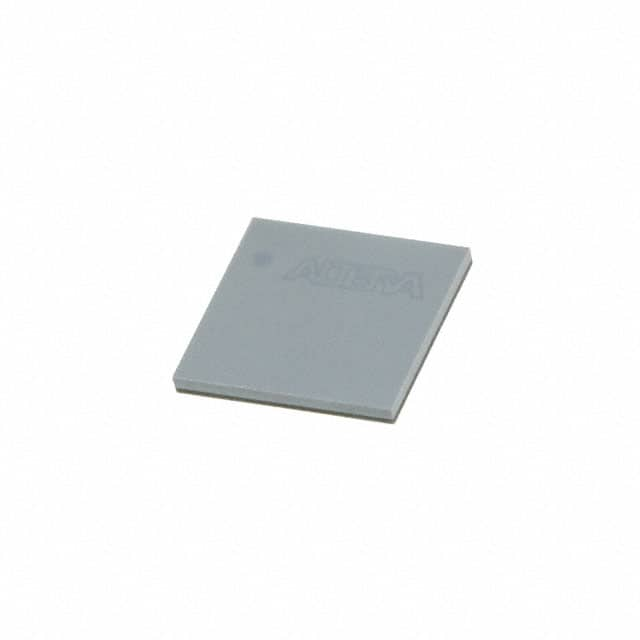
The 10M40DAF256I7G is a versatile FPGA (Field-Programmable Gate Array) device from Intel%27s (formerly Altera) MAX® 10 series. This series is known for its combination of low power consumption, high performance, and cost-efficiency, making it suitable for a range of applications, from consumer electronics to industrial automation. Here’s a detailed introduction to the 10M40DAF256I7G FPGA:
## Overview
The 10M40DAF256I7G is a member of Intel%27s MAX 10 family, which features a range of FPGAs designed to offer a balance between functionality, power efficiency, and cost. The MAX 10 series is particularly noted for its non-volatile configuration, which allows it to retain its programmed configuration even when power is removed.
## Key Features
## 1. Logic Elements and Resources
- Logic Elements (LEs): The 10M40DAF256I7G includes 40,000 logic elements. Each logic element consists of a look-up table (LUT) and a flip-flop, which together enable complex logic operations and data storage.
- Memory: This FPGA contains a significant amount of embedded memory, including distributed RAM and block RAM, which are used to support a variety of applications such as data buffering and storage.
## 2. Package and Pin Configuration
- Package Type: The 10M40DAF256I7G comes in a 256-pin Fine Pitch Ball Grid Array (FBGA) package. This package provides a compact form factor and a high pin density, making it suitable for space-constrained designs.
- Pin Count: The 256 pins include general-purpose I/O (GPIO) pins, power supply pins, ground pins, and pins dedicated to special functions. The pin configuration allows for flexible interfacing with other components in a system.
## 3. Speed and Performance
- Speed Grade: The "7G" in the part number indicates a speed grade of 7. This denotes the FPGA’s performance in terms of its maximum operating frequency and timing characteristics. The 7G speed grade ensures that the FPGA can handle high-speed applications effectively.
- Clock Speed: The FPGA supports a wide range of clock frequencies, making it suitable for high-speed data processing and real-time applications.
## 4. Non-Volatile Configuration
- Configuration Memory: Unlike many other FPGAs that require an external configuration memory, the 10M40DAF256I7G features an embedded flash memory. This allows it to retain its configuration even when power is turned off, simplifying system design and reducing overall component count.
## 5. I/O and Connectivity
- I/O Standards: The FPGA supports multiple I/O standards, including LVCMOS, LVTTL, and differential standards such as LVDS (Low-Voltage Differential Signaling). This versatility allows the FPGA to interface with a wide range of external devices and systems.
- I/O Pins: With a substantial number of GPIO pins, the FPGA can be used for various digital input and output functions, as well as for interfacing with sensors, actuators, and other peripherals.
## 6. Power Consumption
- Low Power Operation: The MAX 10 series is designed with power efficiency in mind. The 10M40DAF256I7G features low static and dynamic power consumption, which is crucial for battery-powered and energy-efficient applications.
- Power Management: The FPGA includes various power management features to help optimize power usage, including the ability to configure power-down modes to save energy when full performance is not required.
## Applications
The 10M40DAF256I7G FPGA is suitable for a wide range of applications, including:
- Consumer Electronics: The FPGA can be used in devices such as digital cameras, smartphones, and gaming consoles where high performance and flexibility are needed.
- Industrial Automation: In industrial control systems, the FPGA provides reliable and customizable logic for managing and monitoring complex processes.
- Automotive: The FPGA can be employed in automotive systems for functions such as advanced driver-assistance systems (ADAS) and infotainment.
- Communications: It supports various communication protocols and standards, making it suitable for telecommunications infrastructure and data communication systems.
- Embedded Systems: The FPGA’s programmable logic and non-volatile configuration make it ideal for embedded applications where custom processing and interface logic are required.
## Operational Principles
The 10M40DAF256I7G operates based on the following principles:
1. Configuration: The FPGA is configured using its internal flash memory. During the configuration phase, the FPGA’s logic elements and routing resources are programmed to perform specific tasks based on the design loaded into the device.
2. Logic Implementation: Once configured, the FPGA executes the programmed logic, performing operations such as data processing, signal routing, and protocol handling. The logic can be reprogrammed as needed, providing flexibility for different applications and use cases.
3. I/O Management: The FPGA’s I/O pins are used to interface with external components, providing both input and output functions. The programmable nature of the FPGA allows for custom I/O configurations to match specific application requirements.
## Development and Toolchain
- Development Tools: Intel provides a suite of development tools for designing with the MAX 10 series, including the Intel Quartus Prime software. This toolchain offers comprehensive support for FPGA design, including synthesis, simulation, and implementation.
- Design Entry: Designers can use various methods for entering their designs, including Hardware Description Languages (HDLs) such as VHDL and Verilog, or graphical design tools within the Quartus Prime software.
- Simulation and Testing: The development tools include simulation and debugging features that allow designers to verify and test their designs before programming the FPGA.
## Summary
The 10M40DAF256I7G is a high-performance, cost-effective FPGA from Intel’s MAX 10 series. With its 40,000 logic elements, embedded flash memory, and support for various I/O standards, it is well-suited for a broad range of applications requiring flexible, high-speed, and reliable digital logic. Its non-volatile configuration and low power consumption further enhance its appeal for both consumer and industrial applications. Whether used in consumer electronics, industrial automation, or communications, the 10M40DAF256I7G offers a robust solution for modern digital design challenges.