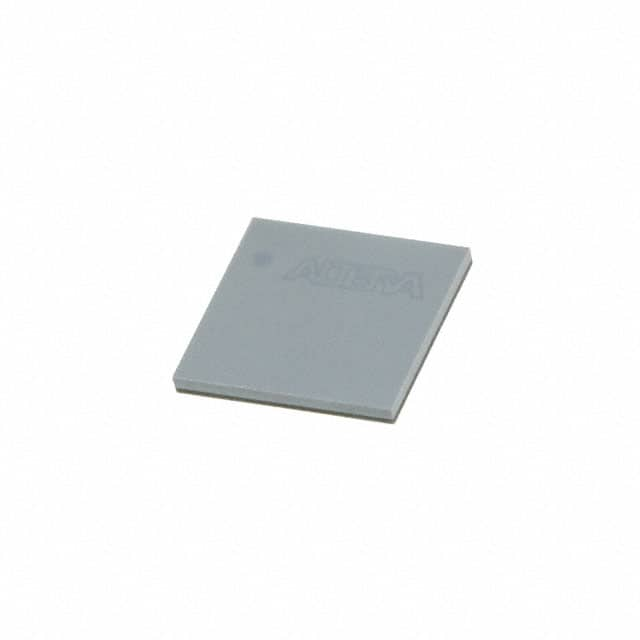
The 10M02SCU169C8G is a specific model of FPGA (Field-Programmable Gate Array) developed by Intel, part of the MAX 10 series. This device is renowned for its versatile and high-performance features tailored for various digital applications. Here is a comprehensive overview of the 10M02SCU169C8G, including its specifications, features, and applications:
## Overview
The 10M02SCU169C8G is an FPGA designed to provide flexible digital logic implementation with a range of programmable functions. As a member of the MAX 10 family, it offers a combination of logic elements, memory, and I/O features optimized for cost-sensitive and performance-driven applications. This FPGA is ideal for a broad range of tasks, from simple logic functions to more complex data processing and control operations.
## Key Features
1. Logic Elements:
- LEs (Logic Elements): The FPGA includes a significant number of logic elements, which can be configured to perform a variety of logic operations. These elements provide the fundamental building blocks for designing custom digital circuits.
2. Memory:
- Embedded Memory Blocks: The 10M02SCU169C8G integrates embedded memory blocks, such as RAM (Random Access Memory) and ROM (Read-Only Memory). This on-chip memory allows for efficient data storage and retrieval, reducing the need for external memory components.
3. I/O Features:
- Flexible I/O Pins: The FPGA features multiple I/O pins that can be configured for different functions, such as input, output, or bidirectional data lines. This flexibility allows the FPGA to interface with various external devices and peripherals.
- Programmable I/O Standards: Supports a range of I/O standards, enabling compatibility with different signal levels and communication protocols.
4. Clock Management:
- Clock Management: The FPGA includes clock management features, such as PLLs (Phase-Locked Loops) and clock dividers, which help manage and synchronize internal and external clock signals.
5. Configuration Options:
- Configuration Memory: The FPGA includes configuration memory that stores the programmed logic design. This memory is non-volatile, ensuring that the FPGA retains its configuration even when powered off.
6. Design Flexibility:
- Reconfigurability: One of the key advantages of the 10M02SCU169C8G is its reconfigurability. Designers can update and modify the FPGA design as needed, allowing for iterative development and optimization.
## Specifications
1. Logic Resources:
- Logic Elements: The FPGA provides a specific number of logic elements, which are used to implement various digital functions. For the 10M02SCU169C8G, this includes a significant number of LEs suitable for a range of applications.
2. Memory:
- Embedded Memory: The device includes a certain amount of embedded memory blocks, providing fast access to data and supporting various memory configurations.
3. I/O Capabilities:
- Number of I/O Pins: The FPGA has a total of 169 I/O pins, which can be configured for different functions depending on the application requirements.
4. Package Type:
- Package: The 10M02SCU169C8G is housed in a 144-pin QFP (Quad Flat Package) or similar package type, providing a compact form factor suitable for various PCB designs.
5. Power Consumption:
- Low Power Operation: The FPGA is designed to operate efficiently with low power consumption, making it suitable for battery-powered and energy-sensitive applications.
6. Temperature Range:
- Operating Temperature: The device is designed to operate within a specific temperature range, typically from 0°C to 85°C or -40°C to 100°C, depending on the variant.
## Applications
1. Embedded Systems:
- Custom Logic Implementation: The FPGA can be used to design custom logic for embedded systems, such as digital signal processing, control systems, and communication interfaces.
2. Consumer Electronics:
- Device Control: In consumer electronics, the FPGA can be used to control various functions, such as display interfaces, input devices, and multimedia processing.
3. Industrial Automation:
- Signal Processing: The FPGA is suitable for industrial automation applications, including signal processing, data acquisition, and control systems.
4. Communications:
- Protocol Conversion: The FPGA can handle protocol conversion tasks, enabling communication between different devices and systems with varying standards.
5. Automotive Systems:
- In-Car Electronics: The FPGA can be used in automotive applications for tasks such as in-car entertainment systems, advanced driver assistance systems (ADAS), and sensor integration.
## Advantages
1. Flexibility:
- Customizability: The FPGA%27s ability to be reconfigured allows for custom design solutions and iterative improvements, adapting to changing requirements and specifications.
2. Integration:
- On-Chip Resources: Integrates multiple resources, including logic elements, memory, and I/O, into a single chip, reducing the need for external components and simplifying design.
3. Cost-Effectiveness:
- Affordable Solution: The MAX 10 series, including the 10M02SCU169C8G, is designed to be cost-effective, making it an attractive option for budget-sensitive projects.
4. Performance:
- High-Speed Operation: Provides high-speed performance suitable for various applications, including those requiring rapid data processing and control.
## Conclusion
The 10M02SCU169C8G FPGA from Intel%27s MAX 10 series offers a robust solution for a wide range of digital design applications. With its flexible logic resources, integrated memory, and versatile I/O capabilities, this FPGA is well-suited for embedded systems, consumer electronics, industrial automation, communications, and automotive applications. Its low power consumption and cost-effectiveness further enhance its appeal for diverse projects, providing a reliable and adaptable platform for custom digital logic implementation.