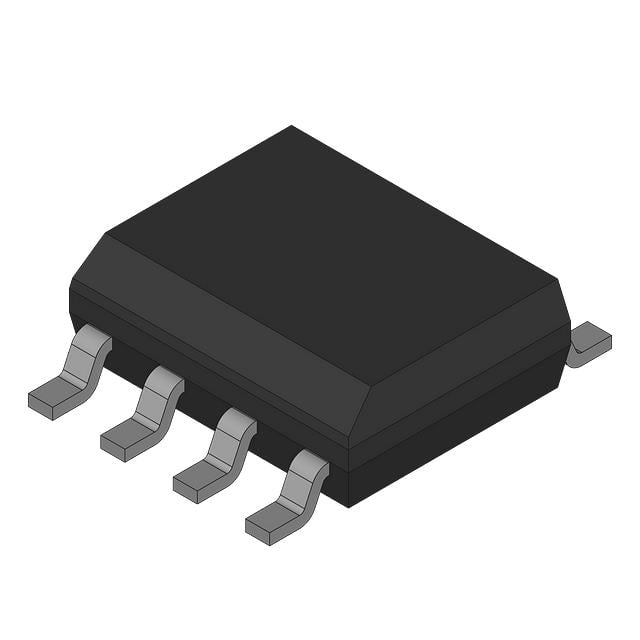
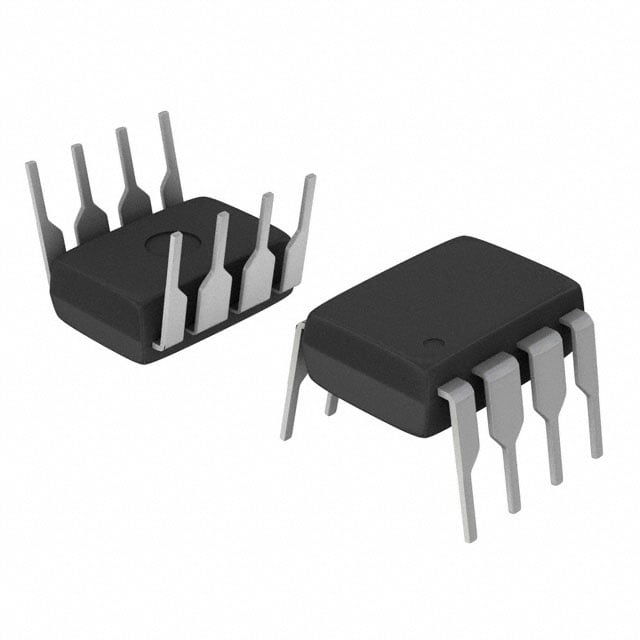
Overview of Texas Instruments LM248N
The Texas Instruments LM248N is a quad operational amplifier designed for a wide range of applications, including signal conditioning, filtering, and amplification in both consumer and industrial electronics. This device is known for its versatility, high performance, and ease of use, making it a popular choice among engineers and designers.
Key Specifications
- Type: Quad Operational Amplifier
- Supply Voltage Range: ±4.5 V to ±15 V
- Input Voltage Range: Common-mode range includes the negative supply
- Output Voltage Swing: Typically ±12 V with a ±15 V supply
- Gain Bandwidth Product: 1 MHz
- Slew Rate: 0.5 V/µs
- Input Offset Voltage: 2 mV (maximum)
- Input Bias Current: 100 nA (maximum)
- Power Supply Rejection Ratio (PSRR): 100 dB (minimum)
- Package Type: DIP-14 (Dual In-line Package)
Functional Features
The LM248N is equipped with several functional features that enhance its performance and usability in various applications:
- Quad Configuration: The LM248N contains four independent, high-gain, internally frequency-compensated operational amplifiers, allowing for multiple signal processing tasks within a single package. This feature reduces board space and simplifies circuit design.
- High Precision: With a low input offset voltage and low bias current, the LM248N provides high accuracy, making it suitable for precision measurement applications.
- Wide Supply Voltage Range: The device operates with a supply voltage range of ±4.5 V to ±15 V, providing flexibility for different power supply configurations and making it adaptable to various applications.
- Low Noise: The operational amplifier features low noise characteristics, which is essential for applications where signal integrity is paramount, such as audio processing and instrumentation.
Applications
The Texas Instruments LM248N is widely used in various applications, including:
- Signal Conditioning: Ideal for amplifying and conditioning sensor signals in industrial automation and measurement systems.
- Audio Applications: Employed in audio equipment for signal amplification and processing, benefiting from its low noise and high precision.
- Active Filters: Suitable for designing active filter circuits, where precise control of frequency response is required.
- Data Acquisition Systems: Used in data acquisition systems for accurate signal processing and conversion.
Electrical Characteristics
The electrical characteristics of the LM248N are crucial for ensuring optimal performance in various environments:
- Supply Current: The typical supply current is around 1.5 mA per amplifier, which is efficient for battery-operated devices and systems.
- Common-Mode Rejection Ratio (CMRR): With a CMRR of 100 dB (minimum), the device effectively rejects common-mode signals, enhancing the accuracy of differential measurements.
- Output Drive Capability: The LM248N can drive loads of up to 600 ohms, making it versatile for different output requirements.
Development and Support
Texas Instruments provides a comprehensive development ecosystem for the LM248N, including:
- Evaluation Boards: TI offers evaluation boards that allow engineers to test and validate the performance of the LM248N in real-world applications, facilitating rapid prototyping.
- Design Resources: Detailed datasheets, application notes, and design guides are available to assist engineers in integrating the device into their systems effectively.
- Technical Support: Texas Instruments provides technical support to help customers with design challenges and to ensure successful implementation of the LM248N in their applications.
Conclusion
The Texas Instruments LM248N quad operational amplifier is a versatile and efficient solution for a wide range of signal processing applications. Its combination of high precision, low noise, and flexible supply voltage range makes it an excellent choice for engineers and designers looking for reliable operational amplifier solutions. With its extensive support and resources, the LM248N stands out as a preferred option for applications in signal conditioning, audio processing, active filters, and data acquisition systems.