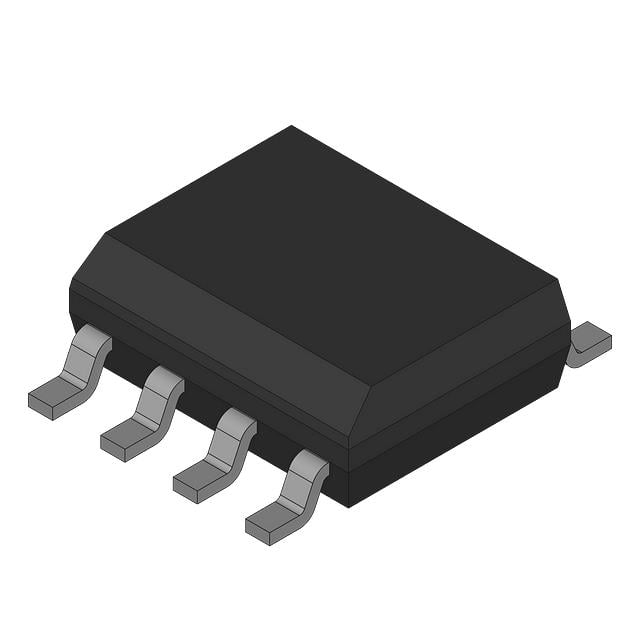
The Rohm Semiconductor LM393DT is a dual comparator integrated circuit (IC) that is designed for precision analog signal comparison. It is primarily used to compare two input signals and provide a digital output based on which input is higher or lower. This device is widely employed in analog-to-digital conversion, voltage-level detection, signal processing, and pulse-width modulation systems. The LM393DT is designed with low power consumption and high precision, making it suitable for a wide range of applications, including industrial control systems, automotive electronics, consumer electronics, and instrumentation.
The LM393DT offers a dual comparator configuration, meaning that it contains two independent comparators in a single package. This allows for space-efficient designs where multiple comparisons are needed without the need for additional ICs. The comparator’s output is open-collector, which allows for greater flexibility in interfacing with various logic levels, such as TTL or CMOS.
## Key Features
* Dual Comparator Design:
* The LM393DT integrates two independent comparators in a single 8-pin package. This dual design is particularly useful for systems that require multiple comparisons in a compact space, reducing the number of components in the circuit.
* Open-Collector Output:
* The output of the LM393DT is open-collector, meaning it can sink current but cannot source it. This feature makes the device compatible with a wide range of logic systems, such as TTL, CMOS, and logic gates. The open-collector output also allows the comparator to interface with higher voltage levels than the supply voltage of the IC, providing greater flexibility in circuit design.
* Low Power Consumption:
* The LM393DT operates with low supply voltage and consumes minimal power. It typically operates within a voltage range of 2V to 36V, which makes it suitable for battery-powered systems or applications where power consumption is a critical factor. This makes it ideal for use in portable devices, battery-operated equipment, and other energy-efficient designs.
* Wide Input Voltage Range:
* The device has a wide input voltage range that allows it to compare signals in both positive and negative voltage ranges. The inputs can typically handle voltages from -0.3V to Vcc + 0.3V, making it adaptable to a variety of analog signal levels.
* Low Offset Voltage:
* The LM393DT features a low input offset voltage of typically 2mV and a maximum value of 5mV. This ensures high accuracy when comparing small signals and minimizes errors in the output logic.
* Hysteresis (Optional):
* The LM393DT includes optional hysteresis functionality, which can be used to improve the noise immunity and stability of the comparator, especially in applications where the input signals are prone to small fluctuations or noise.
* Built-In Saturation Recovery:
* The LM393DT provides built-in saturation recovery capabilities, ensuring that the output will quickly return to its normal operating state after the comparator has been saturated.
* Temperature Stability:
* The LM393DT is designed to operate over a wide temperature range of -40°C to +125°C, making it suitable for use in environments that may experience extreme temperature variations, such as automotive or industrial applications.
* Rail-to-Rail Input/Output:
* The LM393DT can operate with rail-to-rail inputs and provides output voltage levels close to the supply rails. This feature is particularly useful in low-voltage circuits where maximum signal swing is necessary.
## Electrical Characteristics
* Supply Voltage (Vcc):
* The LM393DT operates within a supply voltage range from 2V to 36V. This wide voltage range makes the comparator versatile for use in various power supply configurations.
* Input Voltage Range:
* The input voltage can range from -0.3V to Vcc + 0.3V, providing flexibility in handling signals that may extend beyond the ground or supply voltage.
* Quiescent Current (Icc):
* The typical quiescent current consumption is 1.0 mA. This low current consumption makes the LM393DT ideal for low-power applications.
* Propagation Delay:
* The LM393DT offers a typical propagation delay of 300ns, ensuring fast response times in time-sensitive applications, such as signal processing or high-speed switching circuits.
* Input Bias Current:
* The typical input bias current is 25nA, which is low enough for precise signal comparison and is suitable for high-impedance signal sources.
* Output Saturation Voltage:
* The output saturation voltage is typically 50mV when sourcing 4mA of current, ensuring that the output is well-defined and can be reliably interpreted by downstream logic or components.
* Input Offset Voltage:
* The input offset voltage is typically 2mV, with a maximum value of 5mV. This low offset voltage ensures high precision in the comparison of small voltage differences, which is important for high-accuracy applications.
* Common-Mode Input Voltage Range:
* The common-mode input voltage range is typically from 0V to Vcc - 1.5V, allowing the comparator to handle a wide range of input voltages with respect to the supply rail.
## Pin Configuration
The LM393DT is available in an 8-pin dual in-line package (DIP-8) or surface-mount package. The key pins include:
* Pin 1 (Output 1): Output of the first comparator.
* Pin 2 (Inverting Input 1): Inverting input for the first comparator.
* Pin 3 (Non-Inverting Input 1): Non-inverting input for the first comparator.
* Pin 4 (Ground): Ground connection.
* Pin 5 (Non-Inverting Input 2): Non-inverting input for the second comparator.
* Pin 6 (Inverting Input 2): Inverting input for the second comparator.
* Pin 7 (Output 2): Output of the second comparator.
* Pin 8 (Vcc): Supply voltage pin.
The open-collector outputs (Pins 1 and 7) require an external pull-up resistor to provide a logic-level voltage when the output is pulled low.
## Applications
The LM393DT is versatile and can be used in a variety of applications across different industries. Some common uses include:
* Voltage-Level Detection:
* The LM393DT is ideal for applications that require voltage threshold detection. It can be used to monitor and trigger actions when a signal exceeds or falls below a certain voltage level.
* Analog-to-Digital Conversion:
* The LM393DT can be part of a digital conversion system, where it compares an analog signal to a reference voltage and produces a digital output indicating whether the signal is above or below the reference.
* Pulse Width Modulation (PWM):
* The LM393DT can be used to generate PWM signals for controlling the duty cycle of power signals in applications such as motor control, dimming of lights, and audio systems.
* Zero-Crossing Detection:
* It is commonly used for zero-crossing detection in AC signals, providing an output when the input signal crosses zero volts, which is useful in phase-locked loops, synchronous rectifiers, and AC signal processing.
* Overcurrent Protection:
* In systems requiring overcurrent protection, the LM393DT can monitor a voltage and trigger a shutdown or alert when the voltage exceeds a preset threshold.
* Comparator Circuits in Analog Signal Processing:
* The LM393DT is used in signal comparison tasks, such as audio, temperature, light level, and pressure sensors, providing reliable output based on the comparison of the sensor signal to a reference.
* Automotive Electronics:
* Given its wide temperature range and low power consumption, the LM393DT is suitable for automotive applications like battery management systems, voltage regulators, and sensor interfaces in automotive electronics.
* Industrial Control:
* The IC can be employed in industrial control systems to monitor signals, trigger alarms, or automate processes based on specific voltage thresholds.
## Design Considerations and Advantages
* Low Power Consumption:
* The LM393DT operates with low power, which is particularly advantageous in battery-powered devices or other applications requiring energy-efficient components.
* Wide Input Voltage Range:
* The device can handle input signals over a wide voltage range, making it adaptable to various applications where input voltages can vary widely.
* Flexible Logic Compatibility:
* With its open-collector output, the LM393DT can be easily interfaced with other logic devices, making it versatile for a wide range of applications, from TTL to CMOS logic systems.
* Precision:
* The low offset voltage and high input impedance of the LM393DT enable it to perform precise comparisons, making it suitable for applications requiring high accuracy.
* Temperature Stability:
* The device operates effectively in environments with varying temperatures, thanks to its wide temperature range of -40°C to +125°C.
## Conclusion
The Rohm Semiconductor LM393DT is a versatile, low-power dual comparator IC that excels in precision analog signal comparison and is widely used in voltage detection, signal processing, and control systems. With its open-collector output, wide input voltage range, low offset voltage, and temperature stability, it provides high flexibility and accuracy for various applications, from consumer electronics to automotive and industrial systems. The LM393DT’s design makes it suitable for energy-efficient, space-constrained applications that require reliable and fast voltage comparison functionality.