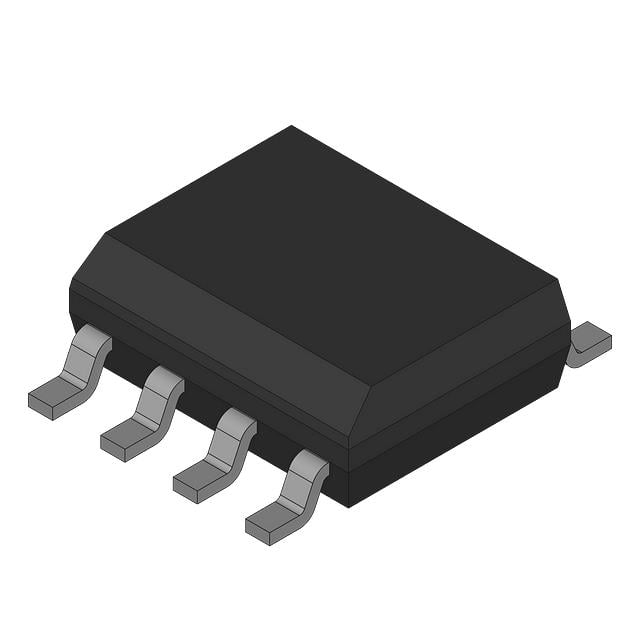
Q1: What is the STMicroelectronics LM319D?
A: The STMicroelectronics LM319D is a dual comparator designed for a wide range of applications, including signal processing and control systems. It features two independent, high-speed comparators in a single package, making it suitable for use in various analog and digital systems that require fast and accurate comparisons of voltages.
Q2: What is the main function of the LM319D?
A: The main function of the LM319D is to compare two input voltages and provide an output indicating which input is higher. It is typically used for applications that require voltage level detection, pulse-width modulation, zero-crossing detection, and signal conditioning in both industrial and consumer electronics.
Q3: What are the key features of the LM319D comparator?
A: The key features of the LM319D include dual comparators in a single package, high-speed operation (with response times in the nanosecond range), open collector output, and a wide input voltage range. It is also capable of operating at low power and can handle both positive and negative input voltages.
Q4: What is the supply voltage range for the LM319D?
A: The LM319D operates with a supply voltage range of 3V to 36V. This broad range makes it flexible for use in a variety of different systems, including both low-voltage and higher-voltage applications.
Q5: What is the output configuration of the LM319D?
A: The output of the LM319D is open collector, which means it can be connected to a pull-up resistor to generate a high logic level when the output is not actively pulled low. This configuration allows the comparator to be used in both digital and analog systems where open collector output is desired.
Q6: What is the response time of the LM319D?
A: The LM319D comparator is known for its fast response time, with a propagation delay typically around 40ns. This makes it suitable for high-speed applications that require quick switching between logic states, such as pulse-width modulation (PWM) and fast voltage comparisons.
Q7: What is the input voltage range of the LM319D?
A: The LM319D has a wide input voltage range that allows it to operate with both positive and negative voltages. The input voltage can go as low as the negative supply rail, and as high as 36V above the negative supply rail, providing flexibility in many different circuit designs.
Q8: How is the LM319D typically used in a circuit?
A: The LM319D is typically used in circuits where two input voltages need to be compared. Common uses include zero-crossing detectors, pulse-width modulation (PWM) signal generation, window comparators, and frequency detection. It can be used in industrial controls, signal processing, and as part of a feedback loop in control systems.
Q9: Can the LM319D be used in both analog and digital circuits?
A: Yes, the LM319D can be used in both analog and digital circuits. Its open collector output is often used in digital systems for interfacing with logic circuits, while its fast response time and precision make it suitable for analog signal processing applications as well.
Q10: What is the typical power consumption of the LM319D?
A: The LM319D operates with low power consumption, typically drawing only 1.3mA per comparator at a 5V supply. This low current draw makes it an energy-efficient choice for battery-powered applications or systems where power efficiency is important.
Q11: What is the input bias current for the LM319D?
A: The input bias current for the LM319D is typically very low, around 100nA. This low bias current minimizes error in the comparator's operation, especially when dealing with high-impedance sources.
Q12: What is the typical application of the LM319D in industrial control systems?
A: In industrial control systems, the LM319D can be used for monitoring and controlling voltage levels, detecting faults, and providing logic signals for triggering other devices. Its fast response and ability to operate in harsh environments make it ideal for industrial automation and protection circuits.
Q13: How does the LM319D compare to other comparators?
A: Compared to other comparators, the LM319D offers a good balance of speed, power consumption, and versatility. It is faster than many other comparators in its class and offers a wide input voltage range, which makes it more flexible in various applications. Its open collector output is also a distinctive feature that allows for easier interfacing with digital logic circuits.
Q14: What are the temperature range specifications for the LM319D?
A: The LM319D operates within an extended temperature range of -40°C to +125°C. This wide operating temperature range ensures reliable performance in demanding environments, including automotive, industrial, and outdoor applications.
Q15: Is the LM319D suitable for use in automotive applications?
A: Yes, the LM319D is suitable for automotive applications. Its wide input voltage range, fast response time, and reliability over a broad temperature range make it ideal for use in automotive control systems, such as voltage monitoring, temperature sensing, and fault detection.
Q16: Can the LM319D be used to detect overvoltage or undervoltage conditions?
A: Yes, the LM319D is often used to detect overvoltage or undervoltage conditions. By setting a reference voltage and comparing it to an input voltage, the comparator can quickly identify when the input voltage exceeds or falls below a specified threshold, triggering a response or alert in the system.
Q17: How do you connect the LM319D in a voltage comparator circuit?
A: To connect the LM319D in a voltage comparator circuit, you would typically connect the inverting and non-inverting inputs to the two voltages that need to be compared. The output is connected to a pull-up resistor, and the voltage reference is applied to one of the inputs. The comparator will then output a logic level indicating which input is higher.
Q18: What is the significance of the open collector output of the LM319D?
A: The open collector output of the LM319D allows for greater flexibility in interfacing with different logic systems. By using an external pull-up resistor, the output can be easily adapted to logic levels required by other components in the circuit, such as microcontrollers or logic gates, enabling more complex and adaptable system designs.
Q19: How does the LM319D perform in terms of noise immunity?
A: The LM319D comparator is designed with high noise immunity, making it suitable for use in noisy environments. Its input stage is capable of rejecting common-mode noise, and its fast switching characteristics help it maintain accuracy in systems where noise could otherwise interfere with proper voltage comparisons.
Q20: What are the advantages of using the LM319D in signal processing applications?
A: The LM319D offers several advantages for signal processing, including fast switching speed, low power consumption, and high accuracy. Its open collector output makes it easy to interface with other logic systems, and its wide input voltage range makes it versatile for various analog and digital signal processing applications.