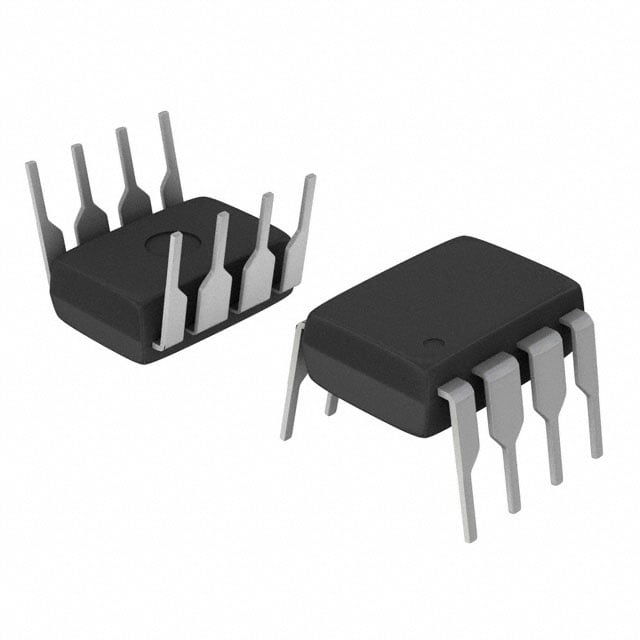
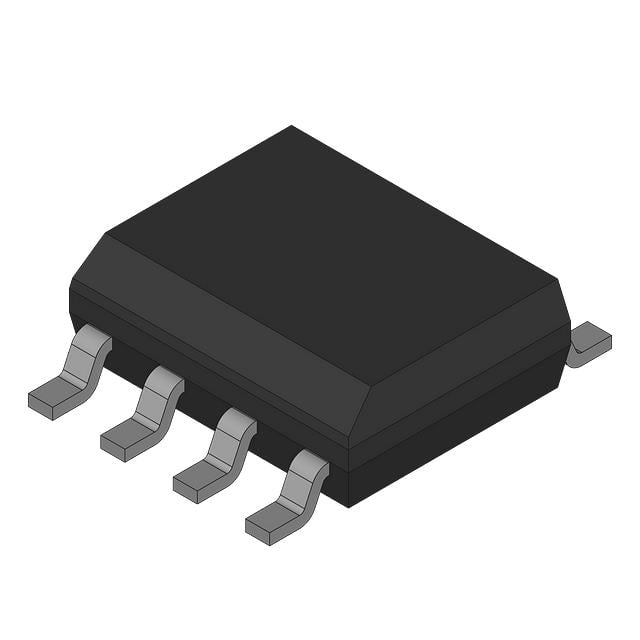
Q1: What is the STMicroelectronics LM258N?
A: The STMicroelectronics LM258N is a dual operational amplifier designed for general-purpose applications. It is built using a high-performance monolithic IC technology and is commonly used in signal amplification, filtering, and signal conditioning applications. The LM258N is known for its low offset voltage, wide bandwidth, and reliable operation in a variety of electronic systems.
Q2: What are the key features of the STMicroelectronics LM258N?
A: The LM258N has several key features, including:
* Dual operational amplifier configuration (two amplifiers in a single package)
* Low input offset voltage
* High voltage gain and wide bandwidth
* Common-mode rejection ratio (CMRR) of over 90 dB
* Low total harmonic distortion (THD)
* Wide supply voltage range (3V to 32V for single supply, ±1.5V to ±16V for dual supply)
These features make it ideal for use in audio, filtering, and signal amplification applications.
Q3: What is the supply voltage range of the STMicroelectronics LM258N?
A: The LM258N can operate with a wide supply voltage range. For a single supply configuration, it can handle voltages from 3V to 32V. For a dual supply configuration, it can operate with voltages from ±1.5V to ±16V. This wide voltage range provides flexibility in designing systems that require different operating conditions.
Q4: What is the typical input offset voltage of the STMicroelectronics LM258N?
A: The typical input offset voltage of the LM258N is 3mV, with a maximum of 7mV. Input offset voltage refers to the difference in voltage between the input terminals when the output is zero, and lower values result in more accurate signal amplification. The LM258N’s low offset voltage ensures accurate performance in precision applications.
Q5: What are the common applications of the STMicroelectronics LM258N?
A: The LM258N is used in a variety of applications, including:
* Audio signal amplification
* Active filters and equalizers
* Instrumentation amplifiers
* Voltage followers (buffers)
* Comparator circuits
* Oscillators and waveform generation
Its versatility and reliable performance make it ideal for both consumer and industrial electronics.
Q6: What is the bandwidth of the STMicroelectronics LM258N?
A: The LM258N offers a wide bandwidth with a typical unity-gain bandwidth of 1 MHz. This allows it to handle a variety of signal processing tasks, including high-frequency applications, while maintaining stable and accurate amplification performance.
Q7: Does the STMicroelectronics LM258N require external compensation for stability?
A: No, the LM258N does not require external compensation for stability. It is internally compensated for a wide range of applications. This means that designers can use the LM258N without needing to add additional components for stability, simplifying the circuit design and reducing component count.
Q8: What is the input impedance of the STMicroelectronics LM258N?
A: The input impedance of the LM258N is very high, typically 10 MΩ, which makes it suitable for a variety of high-impedance applications. The high input impedance ensures minimal loading on the signal source, making it ideal for use in measurement and sensor interfacing applications.
Q9: What is the output drive capability of the STMicroelectronics LM258N?
A: The LM258N can typically source or sink 3mA of current, which makes it suitable for driving low-power loads. However, for driving higher current loads, external components such as buffer amplifiers or power transistors may be used in conjunction with the LM258N to handle the additional current requirements.
Q10: What is the typical slew rate of the STMicroelectronics LM258N?
A: The LM258N has a typical slew rate of 0.3 V/µs. Slew rate refers to the rate at which the output of an operational amplifier can change in response to a step input signal. The LM258N's moderate slew rate makes it suitable for many general-purpose applications but may not be ideal for extremely high-speed applications.
Q11: How does the STMicroelectronics LM258N perform in low-noise environments?
A: The LM258N is designed with low-noise performance in mind, making it well-suited for applications that require high-quality signal amplification, such as audio and instrumentation applications. Its low noise characteristics help minimize signal distortion, ensuring high-fidelity signal reproduction and accurate measurements.
Q12: Is the STMicroelectronics LM258N suitable for use in automotive applications?
A: Yes, the LM258N is suitable for automotive applications, particularly in signal processing, sensors, and control circuits. Its wide supply voltage range and robust performance make it ideal for automotive electronics, where a stable and accurate operational amplifier is required under varying voltage and environmental conditions.
Q13: Can the STMicroelectronics LM258N be used in audio amplification?
A: Yes, the LM258N is commonly used in audio amplification circuits. Its low distortion and low noise characteristics make it an excellent choice for audio applications, such as pre-amplifiers, equalizers, and audio mixers, where maintaining signal integrity is critical.
Q14: What is the power consumption of the STMicroelectronics LM258N?
A: The LM258N is designed for low power consumption, drawing only a few milliamps of current from the power supply. This low power requirement makes it suitable for battery-powered devices and portable applications, where conserving energy is important.
Q15: How does the STMicroelectronics LM258N handle common-mode signals?
A: The LM258N has a high common-mode rejection ratio (CMRR), typically 90 dB, which means it effectively rejects common-mode signals that are present on both input terminals. This feature helps ensure that only differential signals are amplified, making the LM258N suitable for use in noisy environments where common-mode interference is present.
Q16: What is the output voltage swing range of the STMicroelectronics LM258N?
A: The output voltage swing of the LM258N depends on the supply voltage and the load resistance. Under typical conditions, the output can swing to within 1-2V of the supply rails, meaning it can output a voltage range that closely matches the supply voltage, providing maximum output swing in most applications.
Q17: Does the STMicroelectronics LM258N have protection against short circuits?
A: The LM258N has internal short-circuit protection to safeguard the device against damage caused by output short circuits. This feature helps ensure that the amplifier operates safely under various conditions, even if the output is accidentally shorted to ground or another voltage.
Q18: What is the thermal shutdown feature of the STMicroelectronics LM258N?
A: The LM258N includes an internal thermal shutdown feature that automatically disables the device if the junction temperature exceeds a safe threshold. This helps protect the operational amplifier from thermal damage in high-power applications where heat dissipation is critical.
Q19: Can the STMicroelectronics LM258N be used in signal conditioning circuits?
A: Yes, the LM258N is ideal for use in signal conditioning circuits. Its high input impedance, low offset voltage, and wide supply voltage range make it suitable for amplifying and conditioning weak sensor signals for further processing in applications such as temperature sensing, pressure sensing, and signal filtering.
Q20: What is the reliability of the STMicroelectronics LM258N?
A: The LM258N is a reliable and robust operational amplifier designed for general-purpose use. It is built to operate over a wide temperature range (typically from -40°C to +85°C) and features built-in protection against over-voltage and thermal runaway. These features make the LM258N a dependable choice for a wide variety of industrial, automotive, and consumer applications.