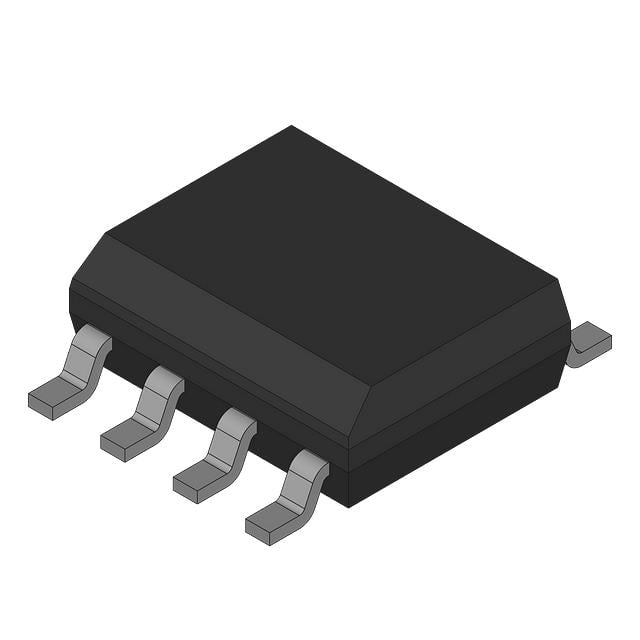
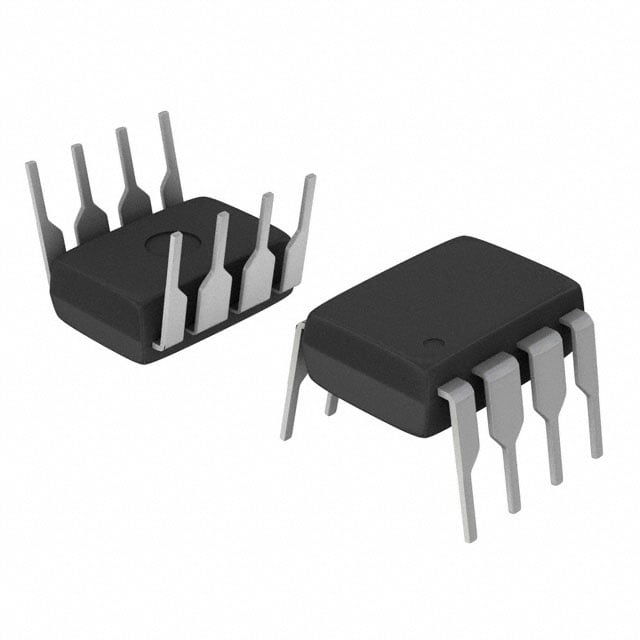
The Texas Instruments LM258DRG3 is a dual operational amplifier that is part of the LM258 series, designed to provide high-performance solutions for various analog applications. The LM258DRG3 is specifically used for signal conditioning, filtering, and amplification in a wide range of systems, including audio, instrumentation, and automotive systems.
## Key Features
* Dual Channel: The LM258DRG3 contains two independent, high-gain, low-power operational amplifiers in a single package.
* Low Power Consumption: With its low quiescent current, it is designed for low-power applications, making it ideal for battery-operated systems.
* Wide Operating Voltage Range: The device operates over a wide supply voltage range from 3V to 32V, or ±1.5V to ±16V for dual supply configurations.
* Low Input Bias Current: The LM258DRG3 has a low input bias current (max 250nA), which makes it suitable for high-impedance signal applications.
* High Slew Rate: The amplifier provides a reasonable slew rate of 0.3 V/µs, which ensures it can handle moderate-speed signals effectively.
* Output Voltage Swing: The LM258DRG3 provides rail-to-rail output swing, meaning it can drive the output very close to the supply voltage rails, providing more usable dynamic range.
## Electrical Characteristics
* Supply Voltage (Vcc): 3V to 32V or ±1.5V to ±16V (dual supply configuration).
* Input Voltage Range: Common-mode input voltage range extends from (V−) + 1V to (V+) - 1V, ensuring compatibility with low-voltage signals.
* Input Offset Voltage: Max of 7mV (at 25°C), which is relatively low for general-purpose amplifiers.
* Input Bias Current: Maximum 250nA, which helps maintain the accuracy of signal conditioning.
* Output Swing: Typically (V−) + 1.5V to (V+) - 1.5V under a 10kΩ load.
* Slew Rate: 0.3V/µs, which is suitable for most audio and low-speed control systems.
* Total Harmonic Distortion (THD): Max 0.002%, making it ideal for audio applications requiring low distortion.
## Applications
The LM258DRG3 is highly versatile and can be used in a wide range of applications, including:
* Audio Amplifiers: Its low noise and distortion characteristics make it ideal for audio processing circuits, such as pre-amplifiers and tone control circuits.
* Signal Conditioning: It is widely used in sensor signal amplification and conditioning systems.
* Active Filters: With its wide bandwidth and low noise, the LM258DRG3 is suitable for constructing low-pass, high-pass, and band-pass filters.
* Instrumentation Amplifiers: In combination with other components, the LM258DRG3 can be used to create precision instrumentation amplifiers.
* Comparators and Zero-Crossing Detectors: It is often employed in systems that require detecting the point at which a signal crosses zero volts.
* Control Systems: The low-power characteristics make it suitable for battery-powered control systems or other portable electronics.
## Mechanical Data
* Package Type: The LM258DRG3 comes in an 8-pin SOIC (Small Outline Integrated Circuit) package, providing a compact form factor suitable for most designs.
* Operating Temperature Range: The device operates within a temperature range from -40°C to 85°C, making it suitable for most commercial and industrial environments.
* Lead Finish: The leads of the package are made from lead-free material, which complies with RoHS (Restriction of Hazardous Substances) standards.
## Advantages
* Cost-Effective: The LM258DRG3 is a low-cost solution, making it ideal for cost-sensitive applications.
* Flexible Supply Voltage: The wide voltage supply range allows it to be used in both low-voltage and higher-voltage systems.
* Low Power: Its low quiescent current ensures minimal power consumption, making it an excellent choice for portable and battery-powered applications.
* Reliability: The LM258DRG3 is designed to offer high reliability over a wide range of operating conditions, ensuring longevity and consistent performance.
## Conclusion
The Texas Instruments LM258DRG3 is a versatile, dual operational amplifier that is widely used in a variety of analog applications. Its low power consumption, wide operating voltage range, and low input bias current make it suitable for both general-purpose and specialized uses, from audio systems to instrumentation and control applications. Its easy-to-use form factor and reliable performance further enhance its appeal for engineers and designers looking for cost-effective yet high-performance solutions.