Overview of Texas Instruments LM224KAN
The LM224KAN is a quad operational amplifier (op-amp) from Texas Instruments, designed for a wide range of applications in signal processing, filtering, and amplification. This device is particularly suitable for use in audio equipment, instrumentation, and control systems, providing high performance and versatility in various electronic circuits.
Key Specifications
- Number of Amplifiers: 4
- Supply Voltage Range: ±4 V to ±15 V
- Input Voltage Range: Common-mode range includes the negative supply voltage
- Output Voltage Swing: Typically ±12 V (with ±15 V supply)
- Gain Bandwidth Product: 1 MHz
- Input Offset Voltage: 2 mV (typical)
- Input Bias Current: 100 nA (typical)
- Slew Rate: 0.5 V/µs
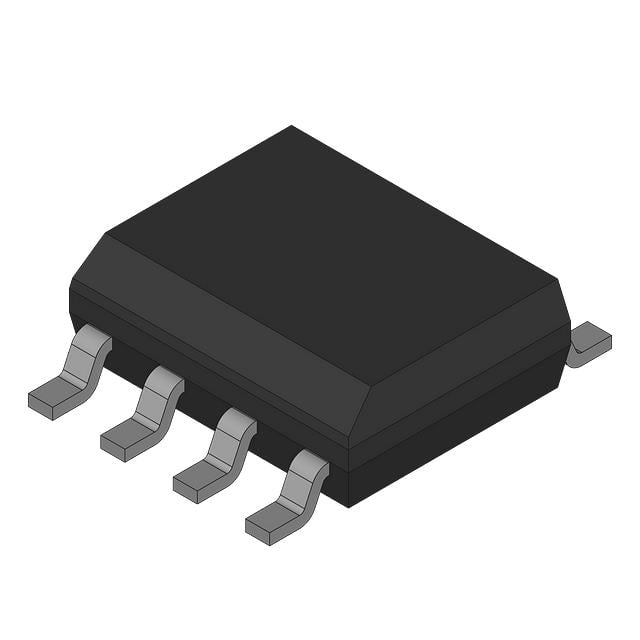
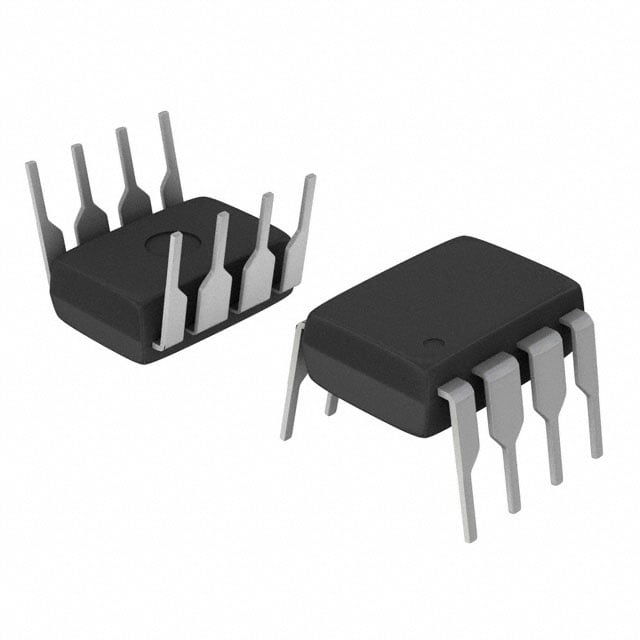
- Package Type: DIP-14 (Dual In-line Package)
- Operating Temperature Range: -40°C to +85°C
Performance Characteristics
The LM224KAN is designed to deliver reliable performance across a variety of applications. With four independent op-amps in a single package, it provides flexibility for multi-channel signal processing. The device operates over a supply voltage range of ±4 V to ±15 V, making it suitable for both low and high-voltage applications.
Input and Output Characteristics
The op-amp features a common-mode input voltage range that includes the negative supply voltage, allowing it to handle a wider range of input signals. The output voltage swing is typically ±12 V when powered with a ±15 V supply, ensuring that it can drive loads effectively without significant distortion.
Gain and Frequency Response
The LM224KAN has a gain bandwidth product of 1 MHz, which indicates its ability to amplify signals at various frequencies. The slew rate of 0.5 V/µs allows the op-amp to respond quickly to changes in input signals, making it suitable for applications that require fast signal processing.
Applications
The LM224KAN is widely used in various applications, including:
- Audio Amplification: Ideal for use in audio signal processing and amplification circuits.
- Signal Conditioning: Used in instrumentation and sensor applications to condition and amplify signals.
- Active Filters: Suitable for designing active filter circuits for frequency selection and signal shaping.
- Comparators: Can be configured as a comparator in various control systems.
Advantages
- Quad Configuration: The integration of four op-amps in a single package reduces board space and simplifies circuit design.
- Wide Supply Voltage Range: The ability to operate over a broad voltage range enhances its versatility in different applications.
- Low Input Offset Voltage: The low input offset voltage ensures accurate signal amplification, which is critical in precision applications.
Thermal and Reliability Characteristics
The LM224KAN is designed to operate reliably over a wide temperature range of -40°C to +85°C, making it suitable for industrial and automotive applications. The device is also built to withstand various environmental conditions, ensuring long-term stability and performance.
Development Support
Texas Instruments provides extensive support for the LM224KAN, including:
- Datasheets and Technical Documents: Comprehensive datasheets provide detailed specifications, application circuits, and design guidelines.
- Evaluation Modules: TI offers evaluation modules to facilitate testing and prototyping with the LM224KAN.
- Design Resources: Application notes and reference designs are available to assist engineers in implementing the op-amp in their projects.
Conclusion
The Texas Instruments LM224KAN is a versatile and high-performance quad operational amplifier that meets the demands of various electronic applications. With its robust specifications, including a wide supply voltage range, low input offset voltage, and fast response time, it is an excellent choice for engineers and designers looking to implement effective signal processing solutions. Whether used in audio amplification, signal conditioning, or active filtering, the LM224KAN stands out as a reliable component in the operational amplifier market, enabling the development of innovative and efficient electronic systems.