## Atmel AT89C51ED2-SLSUM Overview
The Atmel AT89C51ED2-SLSUM is a highly integrated 8-bit microcontroller based on the classic 8051 architecture, designed for embedded systems that require efficient processing, high-speed performance, and robust connectivity. It is widely used in a variety of applications such as automotive, consumer electronics, industrial control, and communication systems. This microcontroller is part of the AT89 family, known for its reliability, low power consumption, and ease of integration into various designs.
## Key Features
* Architecture: 8-bit 8051-based architecture
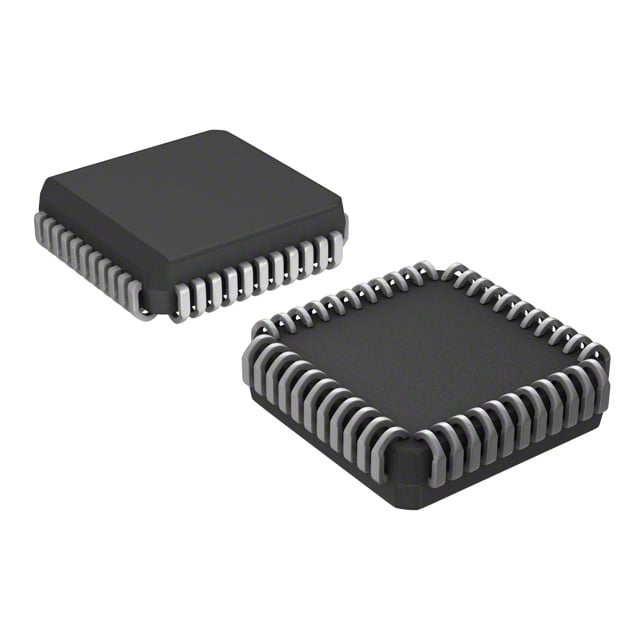
* Package Type: PLCC (Plastic Leaded Chip Carrier)
* Pin Count: 44
* Flash Memory: 64KB
* RAM: 2KB
* EEPROM: 256 bytes
* Clock Speed: Up to 40 MHz
* Operating Voltage: 4.0V to 5.5V
* I/O Pins: 32 general-purpose I/O pins
* Timers: 3 timers (16-bit)
* Serial Communication: UART, SPI, and I2C support
* Interrupt Sources: 5 interrupt sources with 2 external interrupts
* Watchdog Timer: Integrated watchdog for system reliability
* Low Power Modes: Idle and Power-down modes for power efficiency
## Specifications
* Core Architecture: The AT89C51ED2-SLSUM is based on the 8051 architecture, which is widely used in embedded systems. It features a simple, yet effective, instruction set, which provides fast and efficient execution of code. The 8-bit core operates with an 8-bit data bus, making it ideal for applications where resource constraints are important.
* Flash Memory: This microcontroller comes with 64KB of in-system programmable flash memory, which allows users to store code and firmware. The flash memory can be reprogrammed using standard programming techniques, offering flexibility in firmware development and updates. It is particularly useful in applications where firmware might need to be updated after deployment.
* RAM: The AT89C51ED2-SLSUM includes 2KB of on-chip RAM, which is used for storing data during runtime. This amount of RAM is sufficient for many small to medium-sized embedded applications, offering space for variables, buffers, and stack operations.
* EEPROM: This microcontroller features 256 bytes of onboard EEPROM, which is non-volatile memory used for storing configuration settings, calibration data, or other small data that needs to persist through power cycles. The EEPROM is particularly useful in applications requiring data retention even when the system is powered off.
* Clock Speed: The AT89C51ED2-SLSUM operates at a maximum clock speed of 40 MHz, allowing it to execute instructions rapidly and handle higher-speed tasks. The higher clock speed enhances the device's performance in time-sensitive applications like real-time control, signal processing, and communications.
* I/O Pins: The microcontroller offers 32 general-purpose I/O pins, which can be configured as input or output based on the application requirements. These I/O pins are versatile, enabling the device to interact with external components such as sensors, actuators, displays, and other peripherals. The flexibility of I/O pin configuration makes the AT89C51ED2-SLSUM suitable for a wide variety of applications.
* Timers: The AT89C51ED2-SLSUM is equipped with 3 timers (two 16-bit timers and one 8-bit timer). These timers are essential for generating accurate time delays, pulse-width modulation (PWM) signals, and event counting. Timers are critical in applications such as motor control, system timing, and event sequencing.
* Interrupts: The device supports 5 interrupt sources, including two external interrupts, allowing it to respond quickly to external events such as sensor triggers or communication data reception. This is important for systems that need real-time response, such as robotics, embedded control, and event-driven applications.
* Watchdog Timer: The microcontroller includes a watchdog timer, which helps prevent system malfunctions due to software errors or system lockups. The watchdog timer can reset the device if the software fails to reset the timer within a specified period, ensuring system reliability and stability.
## Performance and Power Efficiency
* Low Power Consumption: The AT89C51ED2-SLSUM is designed with low power consumption in mind, making it ideal for battery-operated applications. It supports multiple low-power modes, including idle and power-down modes. In idle mode, the device continues running the program but with reduced clock speed, while the power-down mode shuts down most of the internal circuits, reducing power consumption to a minimum.
* Operating Voltage Range: This microcontroller operates over a wide voltage range of 4.0V to 5.5V, providing flexibility for different power supply designs. The wide voltage range also ensures stable operation across various environmental conditions, making it suitable for industrial and automotive applications.
* Clock and Timing Efficiency: The maximum clock speed of 40 MHz provides adequate performance for time-sensitive applications, while the 8051 core architecture ensures that the device can process instructions quickly and efficiently. The 16-bit timers further enhance the device’s ability to manage time-based operations with high accuracy.
## Integrated Peripherals
* Serial Communication: The AT89C51ED2-SLSUM supports multiple communication protocols, including UART (Universal Asynchronous Receiver-Transmitter), SPI (Serial Peripheral Interface), and I2C (Inter-Integrated Circuit). These protocols are essential for enabling the microcontroller to communicate with external devices such as sensors, displays, memory modules, and other microcontrollers.
* UART: The UART interface is commonly used for serial communication, such as transmitting data over RS-232 or RS-485 protocols. This feature is useful in applications requiring data exchange over long distances, such as in remote sensing, industrial control, and communication systems.
* SPI: The SPI interface enables high-speed communication with SPI-compatible peripherals such as sensors, EEPROMs, and LCDs. It is often used in systems that require fast data transfer rates, such as in embedded communication and storage systems.
* I2C: The I2C interface is widely used for connecting multiple low-speed devices over a short distance, such as sensors, EEPROMs, and RTCs (real-time clocks). This protocol is commonly used in sensor networks, home automation, and embedded control systems.
## Development and Debugging
* In-System Programming: The AT89C51ED2-SLSUM supports in-system programming (ISP), allowing users to program the microcontroller while it is embedded in the system. This feature simplifies the development process and enables easier field updates and debugging.
* Development Tools Support: The AT89C51ED2-SLSUM is compatible with a variety of development tools, including integrated development environments (IDEs) such as Atmel Studio. These tools help developers write, compile, debug, and optimize code for embedded applications, making it easier to bring projects from concept to production.
* Simulation and Debugging: The device supports simulation and debugging features that allow developers to test and validate their designs in a virtual environment before deployment. This helps identify issues early in the development process and ensures reliable performance in the field.
## Applications
The AT89C51ED2-SLSUM is a versatile microcontroller suitable for a wide range of applications:
* Industrial Control: The microcontroller’s timers, communication interfaces, and low power consumption make it ideal for industrial automation systems, robotics, and factory control applications. It can be used for monitoring sensors, controlling actuators, and interfacing with external systems.
* Consumer Electronics: The AT89C51ED2-SLSUM is commonly used in consumer products such as home automation systems, remote controls, and consumer appliances. Its versatility and communication capabilities make it suitable for devices requiring simple control, user interaction, and sensor integration.
* Automotive Systems: The microcontroller is well-suited for automotive applications, including dashboard controls, lighting systems, and diagnostics. Its wide operating voltage range and robust performance make it reliable for automotive-grade designs.
* Communication Systems: The AT89C51ED2-SLSUM’s support for UART, SPI, and I2C interfaces makes it suitable for embedded communication systems, where data transfer between devices is critical. Applications include wireless systems, data loggers, and communication modules.
* Embedded Systems: The microcontroller’s ability to handle real-time control, sensor interfacing, and serial communication makes it ideal for embedded systems in medical devices, security systems, and environmental monitoring.
## Conclusion
The Atmel AT89C51ED2-SLSUM is a highly reliable, efficient 8-bit microcontroller with versatile features, including 64KB of flash memory, 2KB of RAM, and multiple communication interfaces. Its high clock speed, low power consumption, and wide operating voltage range make it suitable for a wide variety of embedded applications, from industrial control to consumer electronics and automotive systems. With its ease of use, in-system programming support, and extensive development tool compatibility, the AT89C51ED2-SLSUM is an excellent choice for embedded designers looking for an affordable and reliable solution.