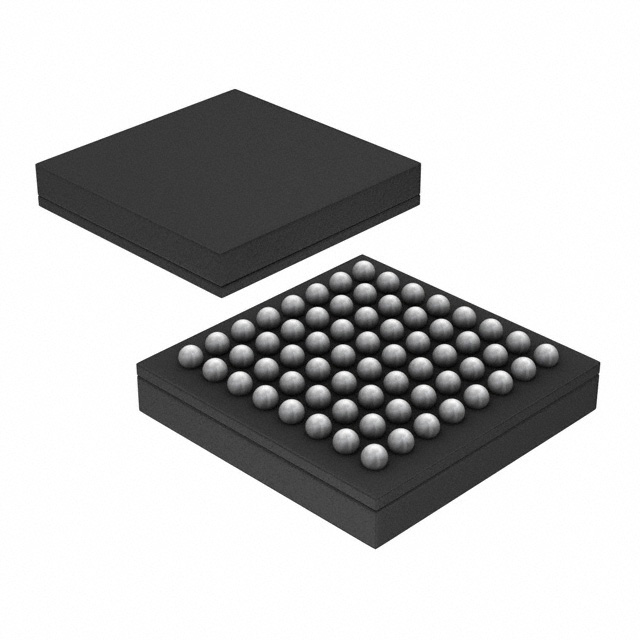
The 5M80ZT100C5N is a member of the MAX 5000 series of CPLDs (Complex Programmable Logic Devices) manufactured by Intel (formerly Altera). This device is designed for high-density logic applications, offering a robust solution for a variety of digital design needs. Here’s a comprehensive overview of its features, architecture, and typical applications:
## Overview
The 5M80ZT100C5N is a high-performance CPLD that provides a versatile platform for implementing complex digital logic functions. It is part of the MAX 5000 series, known for its balance of high logic density, performance, and low power consumption. This device is suitable for applications requiring reliable and flexible programmable logic.
## Key Features
1. Logic Density and Capacity:
- Logic Elements: The 5M80ZT100C5N includes 80,000 logic elements. These elements consist of configurable logic blocks (CLBs) that can be programmed to perform a variety of logical operations and functions.
- I/O Pins: The device supports up to 100 I/O pins, providing ample connectivity for interfacing with external components and peripherals.
2. Performance:
- Speed Grade: The device operates with a speed grade of -5, which means it supports high-speed operation with typical propagation delays in the range of 5 ns. This ensures rapid execution of complex logic functions and minimal timing constraints.
- Clocking: The 5M80ZT100C5N includes multiple clock management features, allowing for efficient timing control and synchronization in high-speed designs.
3. Architecture:
- Logic Blocks: The CPLD is built with a modular architecture consisting of multiple logic blocks. Each block is configured to perform specific logic functions and can be interconnected to create complex logic circuits.
- Interconnects: The device features a flexible interconnect matrix that enables efficient routing of signals between logic blocks and I/O pins. This interconnect architecture helps optimize performance and resource utilization.
4. I/O Features:
- Versatile I/O: The I/O pins of the 5M80ZT100C5N support various voltage levels and can be configured for different signal standards, including LVTTL, LVCMOS, and others. This versatility allows the CPLD to interface with a wide range of external devices.
- Programmable I/O Standards: The I/O pins can be configured to meet the specific requirements of the application, such as voltage levels, drive strength, and signal timing.
5. Programming and Configuration:
- Programming Technology: The 5M80ZT100C5N uses flash-based programming technology, which allows for easy reconfiguration and updates. This technology also ensures non-volatile storage of the programmed logic configuration.
- Development Tools: Intel provides a range of development tools and software for the MAX 5000 series, including the Quartus II software. These tools facilitate design entry, simulation, and programming of the CPLD.
6. Power Consumption:
- Low Power: The 5M80ZT100C5N is designed to operate with low power consumption, making it suitable for energy-efficient applications. It includes features such as power-down modes to further reduce power usage during inactive periods.
## Typical Applications
The 5M80ZT100C5N is used in a wide array of applications that require programmable logic and flexibility:
1. Consumer Electronics: Implementing custom logic for consumer devices such as televisions, audio systems, and smart appliances.
2. Industrial Control: Designing control systems for machinery, automation, and process control applications.
3. Communication Systems: Developing logic for communication equipment, including routers, switches, and modems.
4. Automotive: Implementing logic functions in automotive electronics, including control units, infotainment systems, and safety features.
5. Embedded Systems: Integrating programmable logic into embedded systems for custom functionality and interface control.
## Conclusion
The 5M80ZT100C5N CPLD from Intel’s MAX 5000 series offers a robust solution for high-density, high-performance programmable logic applications. With its substantial logic capacity, flexible I/O options, and advanced architecture, it is well-suited for a broad range of industrial, consumer, and embedded system applications. The device’s combination of high speed, low power consumption, and easy programmability makes it a versatile choice for engineers and designers looking to implement custom digital logic solutions.