☰
OPA564AIDWPR
OPA564AIDWPR
Active
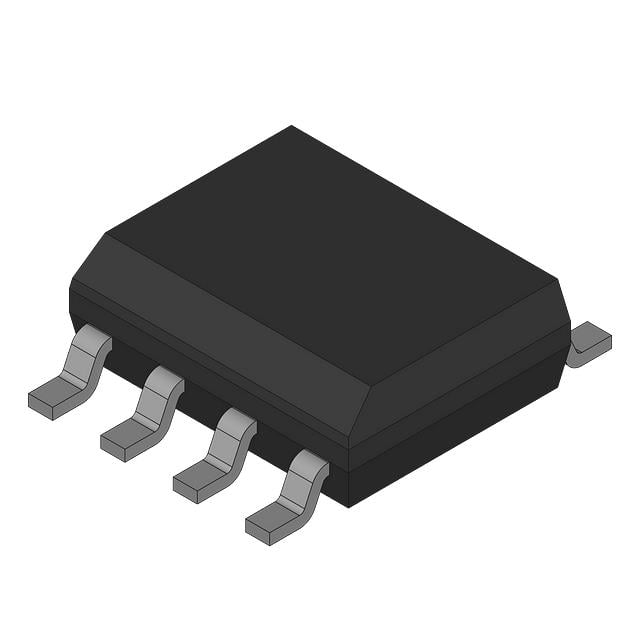
Description:  IC OPAMP GP 1 CIRCUIT 20HSOIC
Manufacturer:  Texas Instruments
History Price: $6.72000
In Stock: 3140
OPA564AIDWPR Specification
Specification
Part No
OPA564AIDWPR
Category
Linear - Amplifiers - Instrumentation, OP Amps, Buffer Amps
Manufacturer
Texas Instruments
Series
-
Packaging
Tape & Reel (TR)
Status
Active
Environmental Compliance
Lead Free
Radiation Hardening
No
REACH SVHC
No SVHC
RoHS
Compliant
HS Code
-
Technical Parameter
Amplifier Type
General Purpose
Number of Circuits
1
Output Type
-
Slew Rate
40V/μs
Gain Bandwidth Product
17 MHz
-3db Bandwidth
-
Current - Input Bias
10 pA
Voltage - Input Offset
2 mV
Current - Supply
39mA
Current - Output / Channel
1.5 A
Voltage - Supply Span (Min)
7 V
Voltage - Supply Span (Max)
24 V
Operating Temperature
-40 ℃ ~ 85 ℃
Mounting Type
Surface Mount
Package / Case
20-SOIC (0.295", 7.50mm Width) Exposed Pad
Supplier Device Package
20-HSOIC
OPA564AIDWPR Related Parts
OPA1013CN8
OPA1013CN8
Texas Instruments
IC OPAMP GP 2 CIRCUIT 8DIP
OPA1013CN8G4
OPA1013CN8G4
Texas Instruments
IC OPAMP GP 2 CIRCUIT 8DIP
OPA1013DN8
OPA1013DN8
Texas Instruments
IC OPAMP GP 2 CIRCUIT 8DIP
OPA111AM
OPA111AM
Texas Instruments
IC INST AMP 1 CIRCUIT TO99-8
OPA111BM
OPA111BM
Texas Instruments
IC INST AMP 1 CIRCUIT TO99-8
OPA121KU
OPA121KU
Texas Instruments
IC OPAMP GP 1 CIRCUIT 8SOIC
OPA121KU-TI
OPA121KU-TI
Texas Instruments
IC OPAMP GP 1 CIRCUIT 8SOIC
OPA121KU/2K5
OPA121KU/2K5
Texas Instruments
IC OPAMP GP 1 CIRCUIT 8SOIC
OPA121KU/2K5E4
OPA121KU/2K5E4
Texas Instruments
IC OPAMP GP 1 CIRCUIT 8SOIC
OPA121KUG4
OPA121KUG4
Texas Instruments
IC OPAMP GP 1 CIRCUIT 8SOIC
OPA124PA
OPA124PA
Texas Instruments
IC OPAMP GP 1.5MHZ SGL LN 8DIP
OPA124U
OPA124U
Texas Instruments
IC OPAMP GP 1 CIRCUIT 8SOIC
OPA564AIDWPR Description
Introduction to Texas Instruments OPA564AIDWPR

The Texas Instruments OPA564AIDWPR is a high-performance, low-power operational amplifier (op-amp) designed for a variety of applications including industrial automation, medical instrumentation, and consumer electronics. This device offers a combination of high output current capability, low distortion, and wide bandwidth, making it suitable for driving loads directly and interfacing with high-impedance sensors.

Key Features

1. High Output Current: The OPA564 can deliver up to 1 A of output current, which allows it to drive heavy loads without the need for additional output stages. This feature makes it ideal for applications that require significant power handling.

2. Wide Supply Voltage Range: The device operates from a dual supply voltage ranging from ±2.5 V to ±15 V or a single supply of 5 V to 30 V. This versatility allows it to be used in various circuit configurations and power supply designs.

3. Low Total Harmonic Distortion (THD): With a THD+N specification of just 0.002%, the OPA564 ensures high fidelity in audio and signal processing applications where signal integrity is critical.

4. High Gain Bandwidth Product: The op-amp features a gain bandwidth product of 10 MHz, enabling it to handle fast signals effectively while maintaining stability across a range of gain settings.

5. Low Noise Performance: With an input voltage noise density of only 6 nV/√Hz at 1 kHz, the OPA564 is well-suited for low-noise applications such as sensor amplification and precision data acquisition.

6. Integrated Protection Features: The device includes built-in thermal shutdown and current limiting features that protect the op-amp from damage due to excessive load conditions or overheating.

7. Rail-to-Rail Output: The rail-to-rail output capability allows the op-amp to swing very close to the supply rails, maximizing dynamic range and ensuring compatibility with low-voltage systems.

8. Compact Package: Available in an HTQFN package (16-pin), the OPA564 is designed for space-constrained applications while providing excellent thermal performance.

Specifications

- Supply Voltage Range (VCC): ±2.5 V to ±15 V (dual supply) or 5 V to 30 V (single supply)
- Output Current (IOUT): Up to 1 A
- Gain Bandwidth Product (GBW): 10 MHz
- Total Harmonic Distortion + Noise (THD+N): 0.002% at VOUT = 2 VPP
- Input Voltage Noise Density: 6 nV/√Hz at f = 1 kHz
- Input Offset Voltage: Typically 0.5 mV
- Common Mode Rejection Ratio (CMRR): 100 dB
- Power Supply Rejection Ratio (PSRR): 100 dB
- Operating Temperature Range: -40°C to +125°C
- Package Type: HTQFN (16-pin)

Applications

The OPA564AIDWPR is designed for use in various applications:

1. Audio Amplification: Ideal for driving speakers or headphones in portable audio devices due to its high output current capability and low distortion characteristics.

2. Sensor Signal Conditioning: Perfect for amplifying signals from sensors in industrial automation or medical devices where precise measurements are critical.

3. Data Acquisition Systems: Utilized in systems that require accurate analog signal processing before conversion into digital formats.

4. Motor Control Applications: Suitable for use in motor drivers where precise control and feedback are necessary for efficient operation.

5. Power Supply Regulation: Can be used as part of feedback loops in switching regulators or linear power supplies due to its stable performance under varying load conditions.

Design Considerations

When integrating the OPA564 into your design, consider the following factors:

1. PCB Layout Best Practices: Proper layout techniques should be employed to minimize parasitic capacitance and inductance, which can adversely affect high-frequency performance.

2. Thermal Management Strategies: Ensure adequate heat dissipation through appropriate thermal design practices, especially when operating at higher currents or under continuous load conditions.

3. Power Supply Decoupling: Use decoupling capacitors close to the power pins to filter out noise and provide stable operation during transient conditions.

4. Input Signal Conditioning: Ensure that input signals are within specified ranges and consider implementing filtering techniques if necessary to reduce noise interference.

5. Testing Under Real Conditions: Validate performance under actual application conditions rather than relying solely on datasheet specifications to ensure reliability across all intended use cases.

6. Compatibility with Other Components: Verify compatibility with other components in your system regarding voltage levels, current capabilities, and frequency response characteristics.

7. Feedback Network Design: When configuring gain settings through external resistors, ensure that the feedback network is designed carefully to maintain stability across all operating conditions.

8. Load Impedance Considerations: Be mindful of load impedance when designing circuits using the OPA564 as it can influence performance parameters such as bandwidth and distortion levels.

Conclusion

The Texas Instruments OPA564AIDWPR is a versatile operational amplifier that combines high output current capability with excellent performance characteristics suitable for various demanding applications ranging from audio amplification to precision signal conditioning in industrial environments. Its wide supply voltage range, low distortion levels, and robust protection features make it an ideal choice for engineers looking for reliable solutions in their designs while ensuring optimal performance.
OPA564AIDWPR Compare Parts
  • OPA564AIDWPR vs OPA992IDCKR
  • OPA564AIDWPR vs OPA992IDBVR
  • OPA564AIDWPR vs OPA991TIDCKR
  • OPA564AIDWPR vs OPA991SIDBVR
  • OPA564AIDWPR vs OPA991QDBVRQ1
  • OPA564AIDWPR vs OPA991IDCKR
  • OPA564AIDWPR vs OPA991IDBVR
  • OPA564AIDWPR vs OPA990SIDBVR
  • OPA564AIDWPR vs OPA990IDCKR
  • OPA564AIDWPR vs OPA990IDBVR
  • OPA564AIDWPR vs OPA890IDR
  • OPA564AIDWPR vs OPA890IDG4
  • OPA564AIDWPR vs OPA890IDBVTG4
  • OPA564AIDWPR vs OPA890IDBVT
  • OPA564AIDWPR vs OPA890IDBVR
  • OPA564AIDWPR vs OPA890ID
  • OPA564AIDWPR vs OPA863SIDBVR
  • OPA564AIDWPR vs OPA862IDTKR
  • OPA564AIDWPR vs OPA861IDRG4
  • OPA564AIDWPR vs OPA861IDR
  • OPA564AIDWPR vs OPA861IDBVT
  • OPA564AIDWPR vs OPA861IDBVRG4
  • OPA564AIDWPR vs OPA861IDBVR
  • OPA564AIDWPR vs OPA861ID
  • OPA564AIDWPR vs OPA860IDRG4
  • OPA564AIDWPR vs OPA860IDR
  • OPA564AIDWPR vs OPA860ID
  • OPA564AIDWPR vs OPA859QDSGRQ1
  • OPA564AIDWPR vs OPA859IDSGT
  • OPA564AIDWPR vs OPA859IDSGR
  • OPA564AIDWPR vs OPA858QDSGRQ1
  • OPA564AIDWPR vs OPA858IDSGT
  • OPA564AIDWPR vs OPA858IDSGR
  • OPA564AIDWPR vs OPA857TD2
  • OPA564AIDWPR vs OPA857IRGTT
  • OPA564AIDWPR vs OPA857IRGTR
  • OPA564AIDWPR vs OPA856IDSGR
  • OPA564AIDWPR vs OPA855QDSGRQ1
  • OPA564AIDWPR vs OPA855IDSGT
  • OPA564AIDWPR vs OPA855IDSGR
  • OPA564AIDWPR FAQ
    Q1: What is the Texas Instruments OPA564AIDWPR?
    A1: The Texas Instruments OPA564AIDWPR is a high-performance operational amplifier (op-amp) designed for high-voltage, high-current output applications. It is capable of driving loads directly, making it ideal for power management and motor control systems.

    Q2: What is the supply voltage range for the OPA564AIDWPR?
    A2: The OPA564AIDWPR operates with a wide supply voltage range, from 4.5V to 40V, providing flexibility in various power applications.

    Q3: What is the output current capability of the OPA564AIDWPR?
    A3: The OPA564AIDWPR is capable of delivering up to 3A of continuous output current, which makes it suitable for driving high-power loads directly.

    Q4: Does the OPA564AIDWPR support rail-to-rail output?
    A4: Yes, the OPA564AIDWPR supports rail-to-rail output, meaning it can output voltages that are close to the supply rails, maximizing the voltage swing and improving efficiency in many applications.

    Q5: What is the quiescent current of the OPA564AIDWPR?
    A5: The OPA564AIDWPR has a low quiescent current of approximately 10mA, helping to minimize power consumption when the device is idle.

    Q6: What is the gain bandwidth product of the OPA564AIDWPR?
    A6: The OPA564AIDWPR has a gain-bandwidth product of 10 MHz, making it suitable for medium-speed applications where moderate bandwidth is needed.

    Q7: What is the input voltage range of the OPA564AIDWPR?
    A7: The OPA564AIDWPR has an input voltage range that allows it to operate with voltages that are typically within the supply range, with certain limitations depending on the load and specific application.

    Q8: What type of package is the OPA564AIDWPR available in?
    A8: The OPA564AIDWPR is available in a thermally enhanced 8-pin PowerPAD® package (SOIC), designed to handle the heat dissipation in high-current applications.

    Q9: What are the key features of the OPA564AIDWPR?
    A9: Key features of the OPA564AIDWPR include high output current (up to 3A), low quiescent current, rail-to-rail output, high voltage supply range, and thermal shutdown protection.

    Q10: Can the OPA564AIDWPR be used in audio amplification?
    A10: Yes, the OPA564AIDWPR can be used in audio amplification applications, particularly in situations where high output current is required to drive speakers or other load elements.

    Q11: Does the OPA564AIDWPR have thermal protection?
    A11: Yes, the OPA564AIDWPR includes thermal shutdown and short-circuit protection features, which prevent the device from overheating and ensure reliable operation in demanding conditions.

    Q12: What is the output voltage swing range of the OPA564AIDWPR?
    A12: The output voltage swing of the OPA564AIDWPR is typically within 1V of the supply rails when driving a 10Ω load, providing a wide output voltage range.

    Q13: Is the OPA564AIDWPR suitable for industrial applications?
    A13: Yes, the OPA564AIDWPR is suitable for industrial applications, particularly those that require driving high-current loads like motors, solenoids, or actuators.

    Q14: How does the OPA564AIDWPR handle load conditions?
    A14: The OPA564AIDWPR is designed to drive both capacitive and resistive loads effectively, making it versatile for various load types in power control and signal amplification systems.

    Q15: What is the power consumption of the OPA564AIDWPR?
    A15: The power consumption of the OPA564AIDWPR depends on the load and supply voltage but typically ranges from 30mW to several watts in high-power driving applications.

    Q16: What is the common mode rejection ratio (CMRR) of the OPA564AIDWPR?
    A16: The OPA564AIDWPR has a high common mode rejection ratio (CMRR), typically around 100dB, ensuring minimal interference from common-mode signals and providing high accuracy in signal processing.

    Q17: Does the OPA564AIDWPR support differential inputs?
    A17: Yes, the OPA564AIDWPR supports differential inputs, making it suitable for applications requiring precision amplification of differential signals.

    Q18: What is the total harmonic distortion (THD) of the OPA564AIDWPR?
    A18: The total harmonic distortion (THD) of the OPA564AIDWPR is low, typically less than 0.01%, making it suitable for high-fidelity signal amplification applications.

    Q19: Is the OPA564AIDWPR stable with capacitive loads?
    A19: Yes, the OPA564AIDWPR is stable with capacitive loads and does not require external compensation to drive capacitive loads up to a few microfarads effectively.

    Q20: What are the recommended application areas for the OPA564AIDWPR?
    A20: The OPA564AIDWPR is ideal for power amplifiers, motor drivers, audio systems, industrial automation, and any application requiring high-output current and precise control of load-driving elements.
    Customer Reviews
    4.95 out of 5.00 stars from 127 customer reviews from all over the world
    Clara Fernández
    Spain
    5 stars
    2026-09-20 17:26
    Like as described, fast dispatch.
    Anaëlle Bernard
    France
    5 stars
    2026-09-20 14:14
    Super produit merci
    Paul Hoffmann
    Germany
    5 stars
    2026-09-20 09:20
    fast handling and shipping, good quality, I like this seller Thank you
    Ivo Almeida
    Brazil
    5 stars
    2026-09-20 09:08
    Very good
    Super fast delivery
    I recommend
    Finn Weber
    Germany
    5 stars
    2026-09-20 08:01
    The classic N chanel MOSFET.
    David Meier
    Germany
    5 stars
    2026-09-20 06:56
    The delivery was quickly, the quality of the product is good.