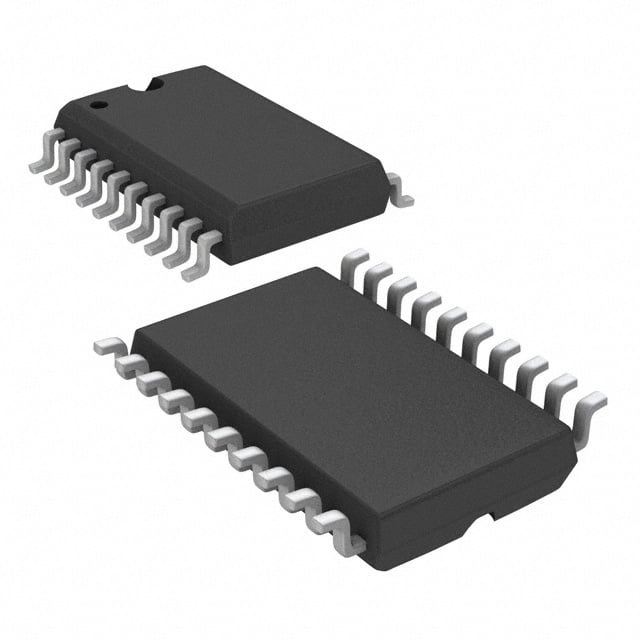
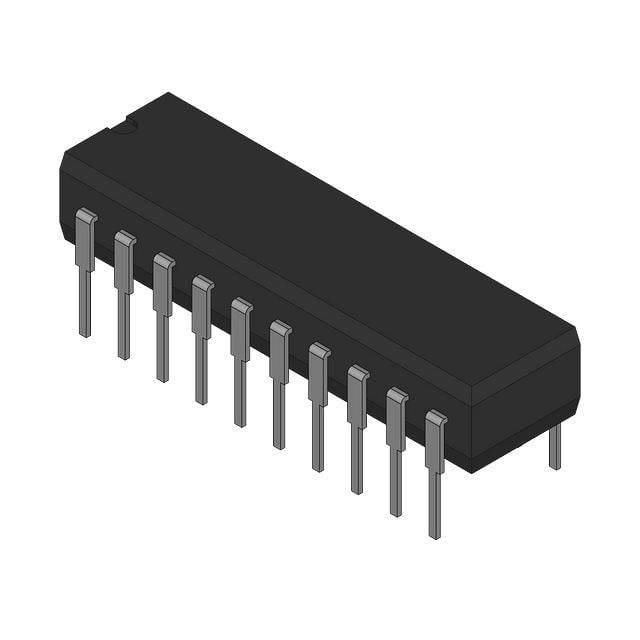
The Texas Instruments CDCS503TPWRQ1 is a high-performance clock generator designed specifically for automotive applications, ensuring reliable and stable clock signals for various systems. This device provides a versatile solution for generating clocks with precision and low jitter, which is critical in applications like infotainment, ADAS (Advanced Driver Assistance Systems), and automotive networking.
The CDCS503TPWRQ1 is part of the CDCS500 series, which is designed to meet the stringent demands of automotive environments, offering a wide range of features for system flexibility and efficiency. It supports multiple output formats and offers excellent noise suppression, which is essential for high-performance automotive electronics.
## Key Features
* Automotive Qualification: The CDCS503TPWRQ1 is qualified according to AEC-Q100 standards, making it suitable for use in automotive applications. It ensures the device can withstand the temperature, voltage, and other environmental stresses found in automotive environments.
* Clock Generation: It generates multiple clock outputs from a single input frequency, providing flexibility in system design. The device includes programmable output dividers and clock output drivers to generate different clock frequencies from a common input clock.
* Low Jitter Performance: This clock generator features a low-jitter design, ensuring high signal integrity and reliability. Low jitter is especially important for sensitive automotive systems where timing accuracy is crucial for reliable operation.
* Flexible Output Options: The CDCS503TPWRQ1 provides a range of output options, including LVCMOS (Low Voltage CMOS), LVTTL (Low Voltage TTL), and HCSL (High-Speed Current Steering Logic) formats. These options ensure compatibility with a wide variety of automotive devices and systems.
* High Precision: The device is capable of generating high-precision clock signals with tight frequency tolerances, which is crucial for maintaining synchronization across different parts of an automotive system.
* Temperature Range: The CDCS503TPWRQ1 operates over a wide temperature range from -40°C to 125°C, making it suitable for the extreme temperature conditions typically encountered in automotive applications.
* Output Enable and Control: The device includes output enable features for individual channels, allowing the system designer to selectively disable outputs when not needed, reducing power consumption.
## Performance and Efficiency
* Clock Output Frequency Range: The device is capable of generating clock frequencies from 1 MHz to 125 MHz. This broad frequency range makes it adaptable to various automotive applications, from low-speed communication interfaces to high-speed data processing.
* Low Power Consumption: The CDCS503TPWRQ1 is designed with power efficiency in mind. It operates at a supply voltage of 3.3V and typically consumes minimal current, which helps extend the battery life of automotive systems and reduces the overall power budget of the system.
* Low Phase Noise: The device is engineered to minimize phase noise, which is essential for applications where timing precision is critical. Low phase noise enhances the quality of the clock signal and ensures reliable performance in high-speed communication networks and processors.
## Application Areas
The CDCS503TPWRQ1 is primarily used in automotive systems that require precise and reliable clock signals. Key application areas include:
* Infotainment Systems: In automotive infotainment systems, precise clock generation is necessary to synchronize various components, including audio, video, and communication interfaces. The CDCS503TPWRQ1 ensures stable operation of these subsystems.
* ADAS (Advanced Driver Assistance Systems): ADAS systems, such as radar, lidar, and vision-based technologies, rely on accurate timing for sensor fusion and data processing. The CDCS503TPWRQ1 helps maintain synchronization between sensors and processors.
* Automotive Networking: Modern automotive systems utilize high-speed communication protocols, such as Ethernet and CAN, which require accurate clock signals to maintain data integrity. The CDCS503TPWRQ1 provides reliable clocking for these networks.
* Safety Systems: Automotive safety systems, including airbag deployment and collision detection, depend on precise timing for real-time decision-making. The CDCS503TPWRQ1 helps ensure that these critical systems operate with minimal delay.
## Specifications
* Clock Generation: Provides multiple output frequencies from a single input
* Output Formats: LVCMOS, LVTTL, HCSL
* Output Frequency Range: 1 MHz to 125 MHz
* Supply Voltage: 3.3V ±10%
* Low Power Consumption: Typical current consumption: 45 mA
* Phase Jitter: Low jitter, ensuring high signal integrity
* Temperature Range: -40°C to 125°C (automotive grade)
* Package: 16-pin TSSOP
* Compliance: AEC-Q100 automotive grade, suitable for automotive applications
* Clock Input: Can be driven by a crystal oscillator or a clock signal
* Output Enable: Individual output enable pins for each clock channel
## Benefits and Advantages
* Reliability: The CDCS503TPWRQ1 is designed for automotive-grade reliability, ensuring stable performance under harsh environmental conditions such as extreme temperatures, vibration, and electromagnetic interference (EMI).
* System Flexibility: With its wide frequency range and multiple output formats, the CDCS503TPWRQ1 can serve various automotive subsystems, from low-speed controllers to high-speed processors.
* Easy Integration: The device simplifies the design of automotive clock systems, offering a compact solution that integrates clock generation, output buffering, and frequency division into a single package.
* Cost-Effective: By consolidating multiple clock generation functions into one device, the CDCS503TPWRQ1 reduces the need for multiple clock sources, helping to lower overall system cost and complexity.
## Conclusion
The Texas Instruments CDCS503TPWRQ1 is an automotive-grade clock generator that provides precision, reliability, and flexibility for various automotive applications. With low jitter performance, a wide temperature range, and multiple output formats, it is an excellent choice for generating accurate and stable clocks in automotive infotainment, ADAS, networking, and safety systems. Its automotive qualification ensures that it can handle the rigorous demands of the automotive environment, making it a reliable component for critical automotive electronics.