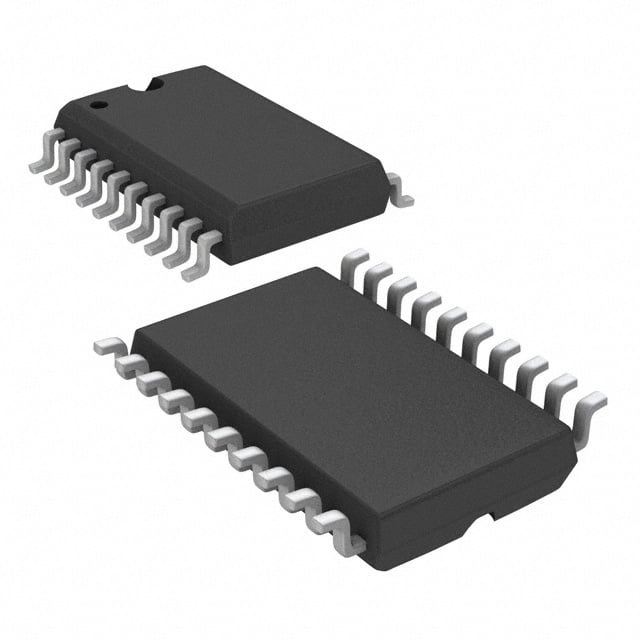
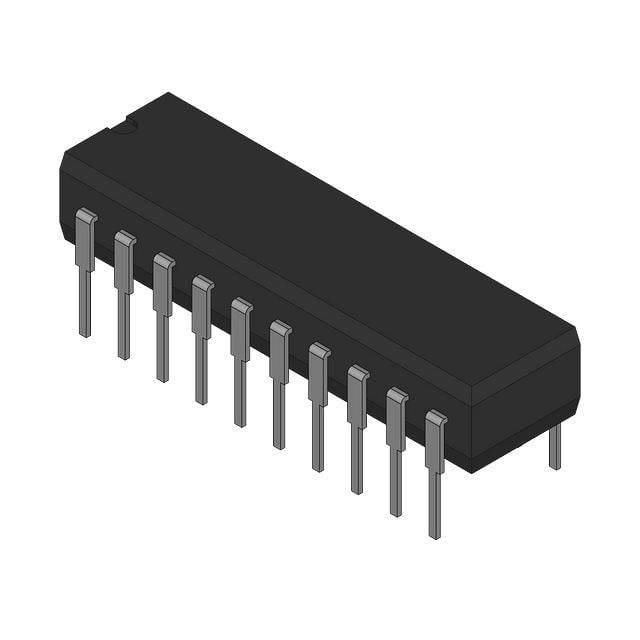
Introduction to Texas Instruments CDCLVC1102PW
The Texas Instruments CDCLVC1102PW is a dual-output, low-voltage differential signaling (LVDS) clock buffer designed to enhance the performance and reliability of clock distribution in high-speed digital systems. This device is particularly useful in applications where minimal skew and high signal integrity are critical. The CDCLVC1102PW is ideal for use in communication systems, data acquisition, and other applications that require precise clock management.
Key Specifications
1. Device Type
- The CDCLVC1102PW is a dual-output LVDS clock buffer, which means it can take a single input clock signal and distribute it to two output signals while maintaining signal integrity.
2. Operating Voltage
- The device operates within a voltage range of 1.8V to 3.6V, making it suitable for low-voltage applications, particularly in modern digital circuits that require lower power consumption.
3. Input Signal Compatibility
- It accepts a wide range of input signal levels, including LVPECL and LVCMOS signals. This flexibility allows the CDCLVC1102PW to be integrated into various designs without the need for additional signal conditioning.
4. Output Characteristics
- The outputs are LVDS compatible, providing differential signaling that helps reduce electromagnetic interference (EMI) and improves noise immunity. The output swing is typically around 350 mV differential.
5. Propagation Delay
- The typical propagation delay from input to output is approximately 1.7 ns, allowing for high-speed applications where timing is crucial.
6. Skew Performance
- The device boasts low skew characteristics, with a maximum skew of 100 ps between outputs. This feature ensures that the clock signals reach their destinations simultaneously, which is vital for synchronous operation in digital systems.
7. Power Consumption
- The CDCLVC1102PW exhibits low power consumption with a typical operating current of about 30 mA per channel at V_CC = 3.3V. This efficiency makes it suitable for battery-powered or energy-sensitive applications.
8. Package Type
- The device comes in a TQFP-32 package (Thin Quad Flat Package), which provides an efficient footprint for integration into compact designs while allowing for good thermal dissipation.
9. Temperature Range
- It operates over an industrial temperature range of -40°C to +85°C, making it suitable for use in harsh environments where temperature fluctuations can occur.
Applications
The CDCLVC1102PW is employed in various applications due to its versatility and performance:
- Data Communications: Used in networking equipment where precise clock distribution is necessary for data integrity.
- Consumer Electronics: Commonly found in devices such as televisions and set-top boxes that require synchronized video and audio processing.
- Industrial Automation: Integrated into control systems where timing accuracy directly impacts system performance.
- Test Equipment: Utilized in oscilloscopes and other measurement tools that demand accurate clock signals for reliable data acquisition.
Design Considerations
When designing circuits using the CDCLVC1102PW, several factors should be taken into account:
1. Signal Integrity: Ensure proper termination of the LVDS outputs to minimize reflections and maintain signal integrity over long traces.
2. Power Supply Decoupling: Adequate decoupling capacitors should be placed close to the power pins to reduce noise on the power supply lines.
3. PCB Layout: Careful PCB layout practices should be followed to minimize trace lengths and avoid crosstalk between adjacent signals.
4. Thermal Management: Although the device has good thermal characteristics, designers should consider heat dissipation strategies if operating at higher ambient temperatures or under heavy load conditions.
Conclusion
The Texas Instruments CDCLVC1102PW offers a robust solution for clock distribution needs in various high-speed digital applications. With its low voltage operation, flexible input compatibility, low skew performance, and efficient power consumption, this clock buffer stands out as an excellent choice for engineers looking to improve system performance while maintaining signal integrity across their designs. Its suitability for industrial-grade environments further enhances its appeal across multiple sectors including communications, consumer electronics, and automation technologies.