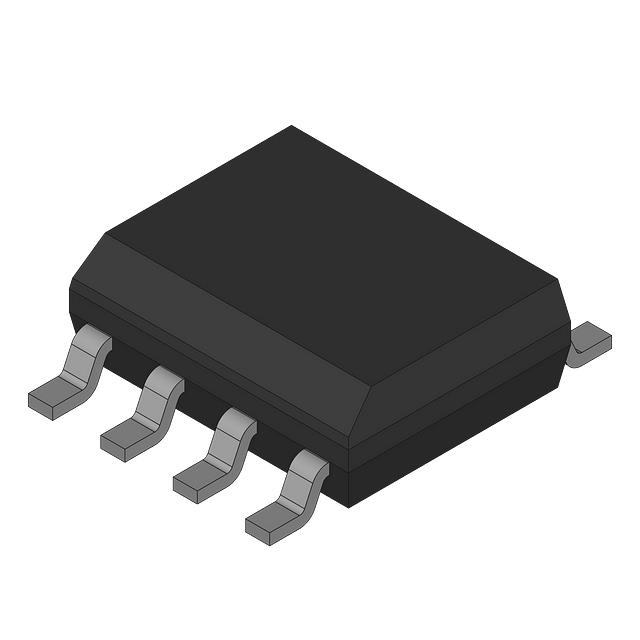
Introduction to NXP Semiconductors MC33771BTA1AE
The MC33771BTA1AE is a highly integrated battery management system (BMS) solution from NXP Semiconductors, designed for monitoring and managing lithium-ion battery packs in electric vehicles (EVs), energy storage systems, and other applications requiring reliable battery management. This device provides advanced features for cell voltage monitoring, temperature sensing, and fault detection, making it an essential component in modern battery management architectures.
Key Specifications
- Supply Voltage Range: 4.5V to 60V
- Cell Voltage Measurement Range: Up to 5V per cell
- Number of Cells Monitored: Up to 16 series-connected cells
- Accuracy: ±0.5% for cell voltage measurements
- Temperature Measurement Range: -40°C to +125°C
- Communication Interfaces: SPI (Serial Peripheral Interface) and daisy-chain capability
- Current Consumption: Typically less than 10 µA in sleep mode
Performance Characteristics
The MC33771BTA1AE is designed for high accuracy and reliability in measuring the voltage of individual cells within a battery pack. It supports up to 16 cells in series, allowing it to be used in larger battery configurations without the need for additional components. The device features an internal precision reference that ensures accurate voltage measurements across a wide temperature range.
The device operates with a supply voltage range of 4.5V to 60V, making it suitable for various applications, including high-voltage battery systems. The low current consumption in sleep mode allows for extended battery life in portable applications.
Integrated Features
1. Cell Voltage Monitoring:
- The MC33771BTA1AE provides precise measurements of each cell's voltage, enabling accurate state-of-charge (SoC) calculations and ensuring that cells operate within safe limits.
2. Temperature Sensing:
- Integrated temperature measurement capabilities allow the BMS to monitor the thermal performance of the battery pack, which is critical for safety and efficiency.
3. Fault Detection and Diagnostics:
- The device includes built-in fault detection mechanisms that identify issues such as overvoltage, undervoltage, and temperature anomalies, providing alerts to prevent potential damage or failure.
4. Daisy-Chain Capability:
- The ability to daisy-chain multiple MC33771 devices allows scalability in monitoring larger battery packs without compromising performance or increasing complexity.
5. Flexible Communication Interfaces:
- The SPI interface facilitates easy communication with microcontrollers or other processing units, enabling real-time data access and control over the BMS functions.
Applications
The MC33771BTA1AE is versatile and can be utilized in various applications:
1. Electric Vehicles (EVs): Essential for monitoring the health of battery packs, ensuring optimal performance and safety.
2. Energy Storage Systems (ESS): Used in renewable energy systems where efficient energy storage is required.
3. Portable Electronics: Suitable for consumer electronics that rely on lithium-ion batteries.
4. Industrial Battery Systems: Helps manage large-scale industrial batteries used in backup power systems or material handling equipment.
Development Support
NXP provides comprehensive development resources for the MC33771BTA1AE, including evaluation boards, application notes, datasheets, and design guides. These resources assist engineers in integrating the BMS into their designs effectively while optimizing performance.
Conclusion
In summary, the NXP Semiconductors MC33771BTA1AE offers a robust solution for lithium-ion battery management with its advanced features tailored for precision monitoring and safety assurance. Its scalable architecture combined with low power consumption makes it an excellent choice for a wide range of applications in both consumer electronics and industrial sectors. With its high accuracy and integrated diagnostics capabilities, the MC33771BTA1AE stands out as a vital component in modern battery management systems.