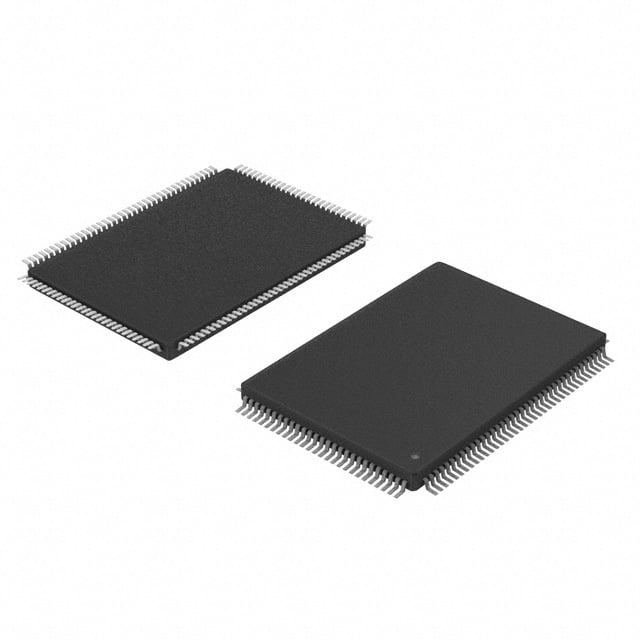
Introduction to Microchip Technology USB5744T/2GD01
The Microchip Technology USB5744T/2GD01 is a highly integrated USB hub controller designed to provide enhanced connectivity and performance for USB devices. This device supports USB 3.0 specifications, enabling high-speed data transfer rates and efficient power management. The USB5744T/2GD01 is particularly well-suited for applications in consumer electronics, computer peripherals, and industrial equipment, where multiple USB connections are required.
Key Specifications
- USB Standard Compliance: The USB5744T/2GD01 is compliant with the USB 3.0 specification, supporting data transfer rates of up to 5 Gbps. This ensures compatibility with a wide range of USB devices while providing the necessary speed for high-bandwidth applications.
- Number of Ports: The device features four downstream ports, allowing multiple devices to be connected simultaneously. This capability makes it ideal for use in systems requiring multiple USB connections without compromising performance.
- Power Management: The hub includes advanced power management features, including support for per-port power switching and overcurrent protection. Each downstream port can be powered independently, optimizing power consumption based on device requirements.
- Operating Voltage Range: The USB5744T/2GD01 operates within a voltage range of 4.5V to 5.5V, making it compatible with standard USB power supplies and ensuring reliable operation across various applications.
- Temperature Range: The device is rated for an operating temperature range of -40°C to +85°C, which allows it to be deployed in harsh environments where temperature fluctuations may occur.
Functional Features
The Microchip Technology USB5744T/2GD01 comes equipped with several functional features that enhance its usability:
- Integrated PHY: The device integrates a high-performance physical layer (PHY) that supports both high-speed (HS) and full-speed (FS) modes of operation. This integration reduces the need for additional components, simplifying design and layout.
- Flexible Configuration Options: It supports various configurations through I2C or GPIO interfaces, allowing users to customize the hub's functionality according to specific application needs.
- Hot-Swap Capability: The hub supports hot-swapping of devices, enabling users to connect or disconnect USB devices without powering down the system. This feature enhances user experience by providing convenience in device management.
- LED Indicators: The device includes support for external LED indicators that can be used to signal port activity or power status, providing visual feedback to users about the operational state of connected devices.
Applications
The versatility of the USB5744T/2GD01 makes it suitable for numerous applications:
- Consumer Electronics: Ideal for use in televisions, gaming consoles, and multimedia players that require multiple USB ports for connecting peripherals such as keyboards, mice, and storage devices.
- Computer Peripherals: Commonly used in docking stations and hubs that expand the number of available USB ports on laptops and desktops.
- Industrial Equipment: Employed in industrial automation systems where multiple sensors or control devices need reliable connectivity through USB interfaces.
Packaging
The Microchip Technology USB5744T/2GD01 is available in a compact 32-pin QFN (Quad Flat No-lead) package. This small form factor allows for easy integration into space-constrained designs while providing excellent thermal performance due to its efficient heat dissipation characteristics.
Conclusion
The Microchip Technology USB5744T/2GD01 stands out as a robust solution for expanding USB connectivity in various electronic applications. With its compliance with USB 3.0 standards, support for multiple ports, advanced power management features, and flexibility in configuration options, this hub controller meets the demands of modern electronic systems requiring efficient data transfer and reliable performance. Its wide operating temperature range and compact packaging further enhance its appeal across diverse industries, making it a preferred choice among engineers designing next-generation connectivity solutions.