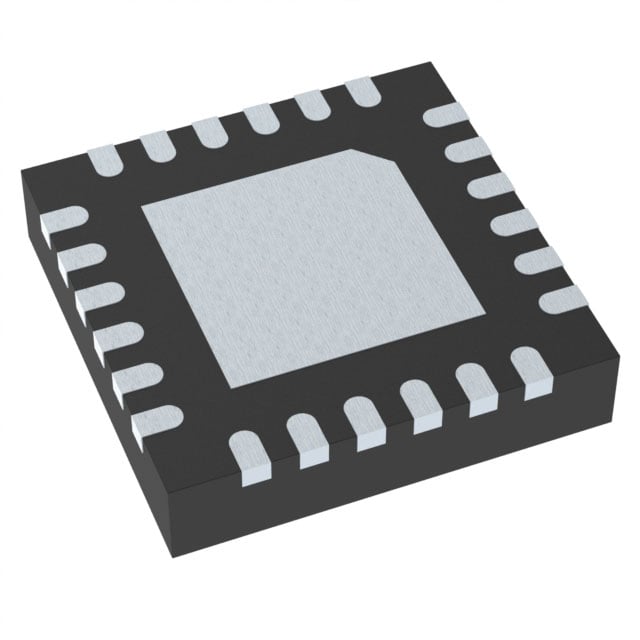
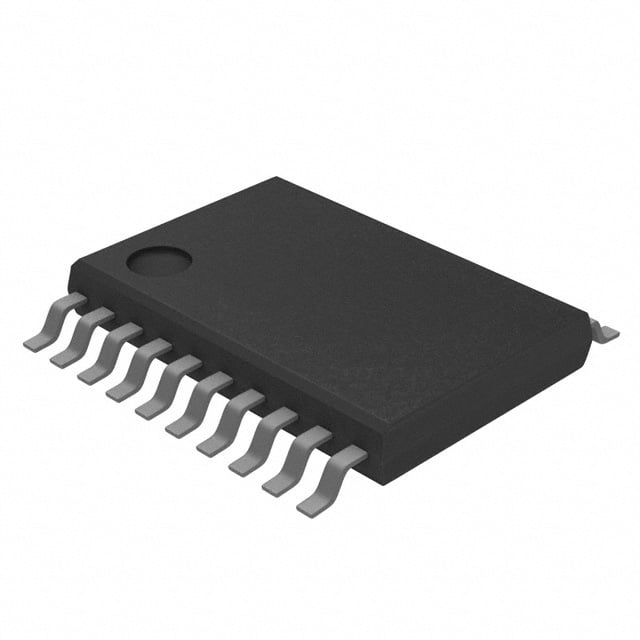
The Texas Instruments DRV8300DRGER is a highly integrated three-phase motor driver designed for driving brushless DC (BLDC) motors and permanent magnet synchronous motors (PMSMs). This device is particularly well-suited for applications in industrial automation, robotics, electric vehicles, and consumer electronics, where high efficiency, precise control, and reliability are paramount.
## Key Features
1. Three-Phase Motor Driver: The DRV8300 is designed to drive three-phase motors, making it ideal for applications requiring smooth and efficient motor control. It can drive both BLDC and PMSM configurations.
2. Operating Voltage Range: The device operates within a wide voltage range of 6V to 60V, allowing it to be used in various applications with different power supply requirements.
3. Output Current: The DRV8300 can deliver continuous output currents of up to 10A per phase, with peak currents reaching up to 15A. This capability enables it to drive a wide range of motor sizes and types effectively.
4. Integrated Gate Drivers: The DRV8300 features integrated high- and low-side gate drivers for each of the three phases, simplifying the design and reducing the number of external components required.
5. PWM Control: The device supports Pulse Width Modulation (PWM) control for speed and torque regulation, allowing for precise motor control. The PWM frequency can be adjusted to optimize performance based on the application.
6. Current Sensing: The DRV8300 includes integrated current sensing capabilities, enabling real-time monitoring of motor current. This feature is essential for implementing current control algorithms and protecting the motor and driver from overcurrent conditions.
7. Protection Features: The DRV8300 is equipped with several built-in protection features, including:
- Overcurrent Protection: Prevents damage to the driver and motor by limiting the current.
- Thermal Shutdown: Protects the device from overheating by shutting down the driver when the temperature exceeds a certain threshold.
- Under-voltage Lockout (UVLO): Ensures that the driver operates only when the supply voltage is within a safe range.
- Fault Reporting: Provides diagnostic feedback through fault reporting pins, allowing for easy monitoring of the driver’s status.
8. Integrated Control Algorithms: The DRV8300 supports advanced control algorithms, including field-oriented control (FOC) and trapezoidal control, which enhance the performance and efficiency of the motor drive system.
9. Compact Package: The device is available in a compact HTQFP (48-pin) package, making it suitable for space-constrained applications.
## Specifications
- Supply Voltage (VCC): 6V to 60V
- Output Current (IOUT): 10A continuous, 15A peak
- Logic Supply Voltage (VIO): 3V to 5.5V
- PWM Frequency: Up to 100 kHz
- Operating Temperature Range: -40°C to 125°C
- Package Type: HTQFP (48-pin)
- Control Interface: PWM, direction control, and fault reporting pins
## Applications
The DRV8300DRGER is suitable for a wide range of applications, including:
- Electric Vehicles: Used in electric drive systems for cars, scooters, and bicycles.
- Industrial Automation: Ideal for driving motors in conveyor systems, robotic arms, and automated machinery.
- Robotics: Provides precise control for motors in robotic systems, enhancing performance and efficiency.
- Consumer Electronics: Can be used in devices such as drones, fans, and other motor-driven appliances.
- HVAC Systems: Suitable for controlling fans and pumps in heating, ventilation, and air conditioning systems.
## Conclusion
The Texas Instruments DRV8300DRGER is a versatile and robust three-phase motor driver that offers a combination of high performance, efficiency, and advanced features. Its wide operating voltage range, high output current capability, and integrated protection mechanisms make it an excellent choice for various motor control applications. With its ability to handle both BLDC and PMSM motors, it provides flexibility for different design requirements, making it a valuable component in modern motor control systems. The integration of advanced control algorithms and current sensing further enhances its suitability for high-performance applications, ensuring reliable and efficient operation.