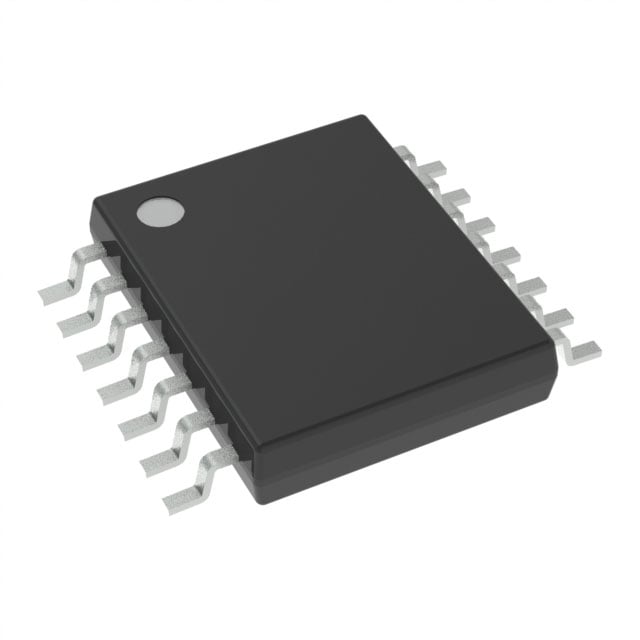
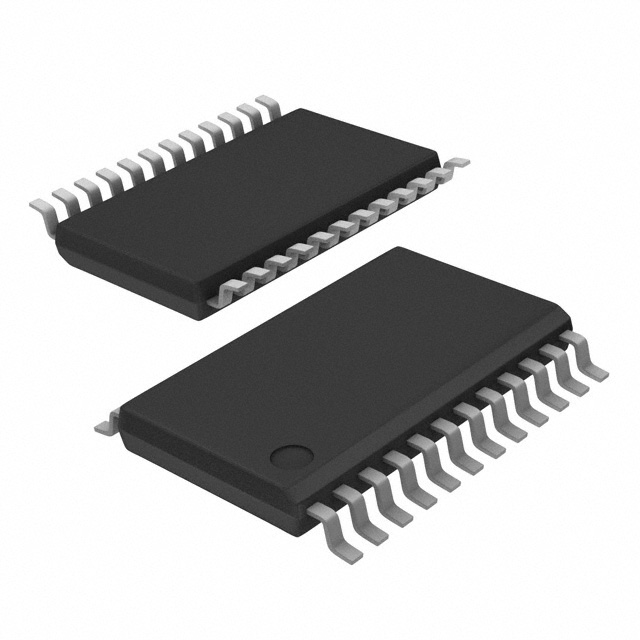
Introduction to Texas Instruments CDCEL913IPWRQ1
The Texas Instruments CDCEL913IPWRQ1 is a highly integrated, low-jitter clock generator and clock distribution device designed for automotive applications. It is particularly suited for systems that require precise timing signals with minimal phase noise and jitter, such as infotainment systems, advanced driver-assistance systems (ADAS), and various automotive control systems. The CDCEL913IPWRQ1 offers flexible output configurations and is optimized for high performance, making it a reliable choice for automotive engineers.
Key Specifications
1. Power Supply Voltage (VCC): The device operates within a supply voltage range of 3.0V to 3.6V, which is typical for many automotive applications that require a stable power source.
2. Output Frequency Range: The CDCEL913IPWRQ1 supports a wide output frequency range from 1 MHz to 200 MHz. This flexibility allows it to be used in various applications requiring different clock frequencies.
3. Jitter Performance: One of the standout features of this device is its low total jitter performance, typically around 100 ps (pico-seconds) at 100 MHz output frequency. This low jitter ensures high signal integrity, which is critical for high-speed data transmission.
4. Number of Outputs: The CDCEL913IPWRQ1 can generate up to three differential outputs and one single-ended output. This multi-output capability allows it to drive multiple devices or components simultaneously.
5. Output Type: The outputs are configurable as either LVDS (Low-Voltage Differential Signaling) or LVCMOS (Low-Voltage Complementary Metal-Oxide-Semiconductor), providing versatility in interfacing with various digital circuits.
6. Input Reference Clock Frequency: The device accepts input reference clock frequencies ranging from 10 MHz to 100 MHz, enabling synchronization with various system clocks.
7. Phase Noise: The phase noise performance of the CDCEL913IPWRQ1 is characterized by -125 dBc/Hz at a 10 kHz offset frequency, which contributes to its suitability in high-frequency applications where signal integrity is paramount.
8. Temperature Range: This component operates over an extended temperature range from -40°C to +125°C, making it ideal for automotive environments where temperature fluctuations can be significant.
9. Package Type: The CDCEL913IPWRQ1 comes in a compact HTQFP-32 package, which helps save board space while ensuring good thermal performance and ease of mounting in automotive PCBs.
10. Automotive Qualification: As an AEC-Q100 qualified device, the CDCEL913IPWRQ1 meets rigorous standards for reliability and robustness required in automotive applications, ensuring long-term performance under harsh conditions.
11. Power Consumption: The typical power consumption of the device is approximately 90 mA during operation, which is efficient for automotive applications where energy conservation is essential.
12. Programmability: The device features programmable settings via I2C interface, allowing users to configure the output frequencies and other parameters dynamically based on application requirements.
Applications
The versatility of the Texas Instruments CDCEL913IPWRQ1 makes it suitable for a wide range of automotive applications:
- Infotainment Systems: Used in audio/video processing units requiring precise clock signals for optimal performance.
- ADAS (Advanced Driver-Assistance Systems): Provides timing signals necessary for sensors and processing units that enhance vehicle safety.
- Telematics Systems: Supports communication modules that require accurate timing signals for data transmission.
- Powertrain Control Units: Drives timing requirements in engine management systems where precise control over ignition and fuel injection timing is crucial.
- Body Control Modules: Used in electronic control units managing lighting, climate control, and other body functions that rely on synchronized operations.
Conclusion
In summary, the Texas Instruments CDCEL913IPWRQ1 clock generator and distribution device stands out as an excellent solution for automotive applications requiring high-performance timing solutions. With its wide operating voltage range, flexible output configurations, low jitter characteristics, and robust temperature specifications, this component provides engineers with a reliable tool to meet the demanding needs of modern automotive systems. Its AEC-Q100 qualification further assures its suitability for use in harsh automotive environments where reliability is paramount. By incorporating the CDCEL913IPWRQ1 into their designs, developers can ensure optimal performance while maintaining efficiency across various automotive applications.