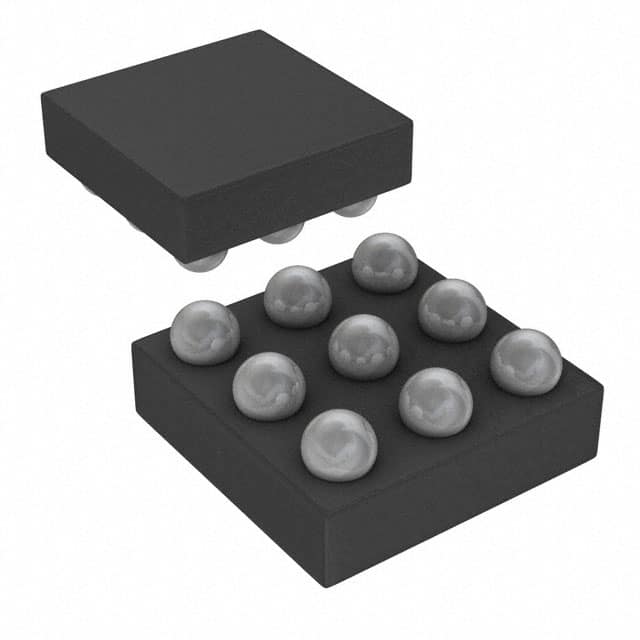
Q1: What is the Maxim Integrated MAX395EAG?
A1: The Maxim Integrated MAX395EAG is a high-speed, low-power, 8-bit analog-to-digital converter (ADC) designed for applications in telecommunications, instrumentation, and other high-precision systems.
Q2: What are the key features of the MAX395EAG?
A2: The MAX395EAG features an 8-bit resolution, 1.2V to 5.5V operating voltage range, low power consumption, high-speed conversion, and an integrated sample-and-hold circuit, making it ideal for high-speed data acquisition systems.
Q3: What is the maximum sampling rate of the MAX395EAG?
A3: The MAX395EAG can sample up to 500 mega-samples per second (MSPS), providing high-speed data conversion for demanding applications.
Q4: What is the input voltage range for the MAX395EAG?
A4: The MAX395EAG accepts differential input voltages within the range of ±0.5V to ±1.0V, allowing for accurate conversion of analog signals into digital data.
Q5: What is the power consumption of the MAX395EAG?
A5: The MAX395EAG operates with a low power consumption of typically 60mW, which helps to reduce the overall energy requirements of systems that incorporate the ADC.
Q6: What is the resolution of the MAX395EAG?
A6: The MAX395EAG provides an 8-bit resolution, which is suitable for applications where moderate precision is required but with high-speed operation.
Q7: Can the MAX395EAG be used in telecommunications applications?
A7: Yes, the MAX395EAG is well-suited for telecommunications systems that require fast and efficient analog-to-digital conversion, such as in signal processing and data transmission equipment.
Q8: What is the power supply voltage range for the MAX395EAG?
A8: The MAX395EAG operates with a supply voltage ranging from 1.2V to 5.5V, allowing for flexibility in integration into various system designs.
Q9: Does the MAX395EAG feature a built-in sample-and-hold circuit?
A9: Yes, the MAX395EAG includes an integrated sample-and-hold circuit, which helps ensure accurate and stable signal conversion by holding the analog signal steady during the conversion process.
Q10: What is the output data format of the MAX395EAG?
A10: The MAX395EAG provides a parallel output data format, making it compatible with various digital signal processing systems and interfaces.
Q11: How does the MAX395EAG ensure high-speed operation?
A11: The MAX395EAG features a fast clock system and low-latency operation, allowing it to handle data conversion at high speeds with minimal delay, making it ideal for high-throughput systems.
Q12: What applications can the MAX395EAG be used in?
A12: The MAX395EAG is used in applications such as data acquisition systems, instrumentation, telecommunications, signal processing, and embedded systems that require high-speed analog-to-digital conversion.
Q13: What is the signal-to-noise ratio (SNR) of the MAX395EAG?
A13: The MAX395EAG has a typical signal-to-noise ratio (SNR) of around 50dB, providing clear and accurate conversion of analog signals with minimal noise interference.
Q14: What type of packaging is available for the MAX395EAG?
A14: The MAX395EAG is available in a 28-pin surface-mount package (SOIC), which is suitable for compact designs and easy integration into modern electronic systems.
Q15: How does the MAX395EAG compare to other ADCs in terms of speed and power consumption?
A15: The MAX395EAG stands out for its high sampling rate of 500MSPS and low power consumption of 60mW, offering a good balance of speed and efficiency compared to similar devices in the market.
Q16: Is the MAX395EAG suitable for high-frequency applications?
A16: Yes, with a 500MSPS sampling rate, the MAX395EAG is well-suited for high-frequency applications where fast signal conversion is required, such as in communications and radar systems.
Q17: Does the MAX395EAG support differential inputs?
A17: Yes, the MAX395EAG supports differential input signals, allowing it to process signals that are more robust to noise and offer better dynamic range.
Q18: What is the typical application of the MAX395EAG in data acquisition systems?
A18: In data acquisition systems, the MAX395EAG is used to convert analog sensor signals into digital data, which can then be processed by microcontrollers, DSPs, or other digital processing systems.
Q19: How is the MAX395EAG configured for different applications?
A19: The MAX395EAG can be configured with external components like filters and amplifiers to suit the specific needs of different applications, such as adjusting the input range or filtering high-frequency noise.
Q20: Where can I purchase the MAX395EAG?
A20: The MAX395EAG can be purchased from authorized distributors like Digi-Key, Mouser, RS Components, or directly from Maxim Integrated or their partners.