The Maxim Integrated MAX275BCWP+T is a high-performance, ultra-low jitter, fractional-N frequency synthesizer with an integrated voltage-controlled oscillator (VCO) designed for RF and microwave applications. It targets wireless communication systems, test and measurement equipment, and precision clock generation circuits requiring low phase noise, high frequency stability, and flexible output configurations. The device integrates a phase-locked loop (PLL), programmable dividers, and an internal VCO into a compact package, providing high-frequency synthesis up to several gigahertz while maintaining a low phase-noise profile suitable for demanding RF designs.
## Device Architecture
* Type: Fractional-N phase-locked loop (PLL) frequency synthesizer with integrated VCO.
* Control Interface: SPI-compatible serial interface for register programming, enabling flexible configuration of output frequency, divider ratios, and operational modes.
* VCO Characteristics: Internal high-frequency VCO optimized for low phase noise and high linearity across the specified frequency range.
* Output Options: Differential and single-ended RF outputs suitable for driving mixers, amplifiers, or other RF stages.
* Supply Voltage: Single 3.3 V power supply with internal voltage regulation for stable operation.
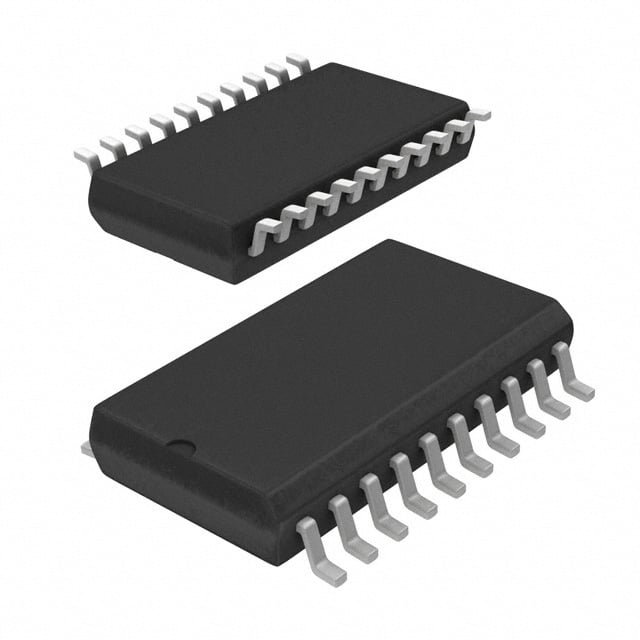
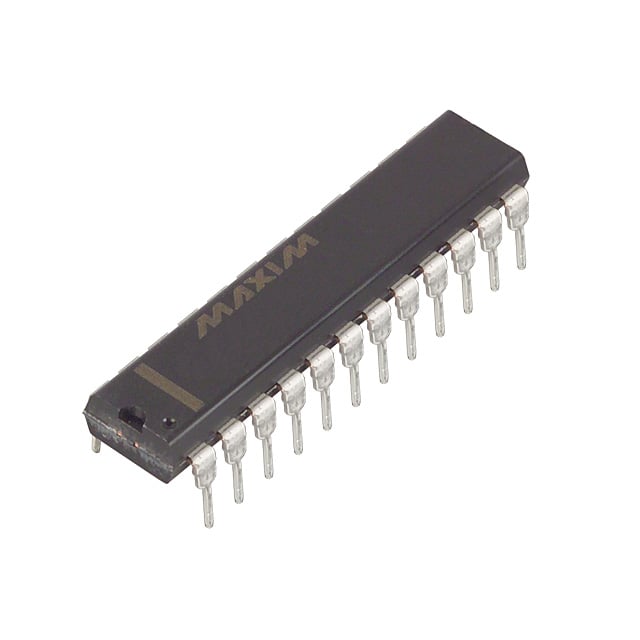
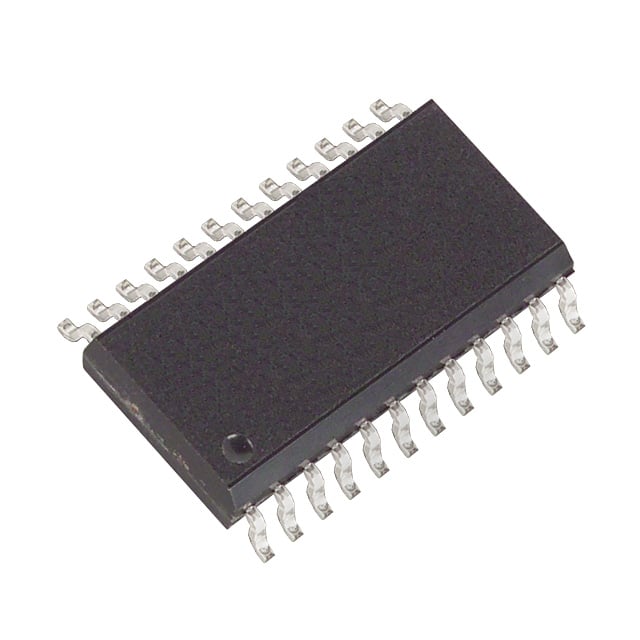
* Package: 32-pin WLP (wafer-level package) supporting high-density PCB integration.
The integration of PLL and VCO with programmable dividers allows precise frequency synthesis and flexible frequency plan implementation in RF systems.
## Electrical Characteristics
* Operating Supply Voltage (VDD): 3.0 V to 3.6 V, ensuring compatibility with standard digital and RF logic levels.
* Supply Current (IDD): Typical 60 mA in normal operation at 3.3 V, minimizing power dissipation in battery-powered and high-density systems.
* Output Frequency Range (fOUT): 25 MHz to 3.2 GHz, supporting a wide range of RF applications.
* Phase Noise:
* –95 dBc/Hz at 100 kHz offset from a 1 GHz carrier, representing ultra-low jitter performance for high-speed communication.
* –125 dBc/Hz at 1 MHz offset, supporting high spectral purity.
* Output Power: Typical 0 dBm into 50 Ω load, providing sufficient drive for RF front-end stages.
* Spurious Emission: Maximum –60 dBc, ensuring clean spectral output with minimal harmonic distortion.
* Frequency Resolution: 0.1 Hz achievable through fractional-N configuration, enabling highly precise frequency tuning.
These characteristics make the MAX275BCWP+T suitable for synthesizing RF carriers with low phase noise and high spectral purity.
## Timing and Performance
* Lock Time: Typical 50 µs for a 100 MHz step change, supporting fast frequency hopping or rapid reconfiguration in RF systems.
* Reference Input: Accepts crystal or external reference clock from 10 MHz to 50 MHz.
* Phase Detector: Charge-pump PLL with fractional-N capability allows fine frequency resolution without increasing loop bandwidth excessively.
* Output Enable/Disable: Controlled via SPI or dedicated logic pins for power optimization in system designs.
* Jitter Performance: Sub-1 ps RMS jitter for output frequencies near 1 GHz, suitable for high-speed data transmission and precision clocking.
The device’s high-speed PLL architecture ensures rapid lock acquisition while maintaining ultra-low jitter, essential for RF and microwave applications.
## Thermal Characteristics
* Operating Temperature Range (TA): –40°C to +85°C, suitable for industrial, telecom, and instrumentation applications.
* Storage Temperature (TSTG): –65°C to +150°C.
* Thermal Resistance Junction-to-Board (RθJB): 25°C/W typical, relying on the PCB as a heatsink for effective thermal management.
* Power Dissipation (PD): Maximum 200 mW at typical operating conditions, enabling integration in compact, high-density systems without excessive heating.
Effective thermal design and low power dissipation allow the MAX275BCWP+T to maintain stability and performance under continuous operation.
## Package and Mechanical Features
* Package Type: 32-pin wafer-level package (WLP), 5 mm × 5 mm footprint.
* Mounting: Surface-mount compatible for automated PCB assembly.
* Pinout: Includes power supply, ground, SPI interface, reference input, and RF output pins; careful layout is recommended for signal integrity.
* Mechanical Robustness: Designed to withstand standard reflow soldering and environmental stress typical of industrial applications.
* PCB Integration: Compact package facilitates high-density board design with minimal parasitic inductance for RF paths.
The WLP package allows small footprint integration while supporting high-frequency operation and thermal dissipation.
## Applications
* RF frequency synthesis for wireless communication equipment, including Wi-Fi, LTE, and satellite transceivers.
* High-speed test and measurement instruments requiring precise, low-jitter clocks.
* Local oscillator generation for RF up/down converters and mixers.
* Frequency hopping and spread-spectrum systems in military and commercial applications.
* High-speed data communications requiring phase-coherent clock generation.
The MAX275BCWP+T is optimized for applications demanding ultra-low phase noise, high frequency stability, and precise control in compact RF designs.
## Reliability and Design Considerations
* Low Phase Noise Design: Ideal for high-speed modulation schemes where spectral purity is critical.
* SPI Programmability: Enables dynamic reconfiguration of output frequency, supporting flexible system designs.
* Thermal Management: Requires adequate PCB copper area for heat dissipation, especially in multi-channel RF systems.
* Supply Decoupling: Recommended 0.1 µF and 10 µF capacitors close to supply pins to minimize voltage ripple and preserve phase noise performance.
* Reference Clock Quality: The output phase noise and jitter are directly affected by reference clock stability; high-quality crystal oscillators are recommended.
The MAX275BCWP+T provides a complete solution for high-performance RF frequency synthesis, combining low noise, fast lock, and flexible control in a compact package suitable for modern wireless and instrumentation systems.