## Overview of Infineon Technologies PEF 4268 F V1.2
The Infineon Technologies PEF 4268 F V1.2 is a highly integrated line interface device designed for telecommunication and networking applications. It is particularly suitable for systems that require robust, high-speed communication over physical media. The device is optimized for ISDN (Integrated Services Digital Network) applications, enabling the reliable transfer of data, voice, and video services. The PEF 4268 F V1.2 supports multiple modes of operation, making it adaptable for various communication standards and environments.
This device integrates several essential functions such as transmission, reception, and physical layer signal conversion, making it a key component in digital communication systems. Its versatile design allows it to work in both telecom and industrial applications, supporting a broad range of data rates and providing advanced features such as error correction and signal conditioning.
## Key Specifications
1. General Characteristics:
* Product Type: Integrated Line Interface Device (LID) for ISDN and telecom applications.
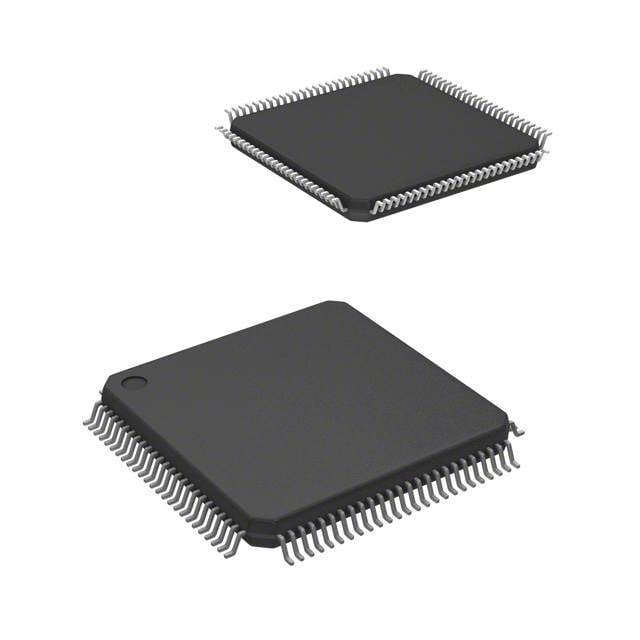
* Package Type: 48-pin LQFP (Low-Profile Quad Flat Package), ensuring a compact form factor for easy integration into space-constrained designs.
* Operating Voltage: 3.3V ±10%, providing compatibility with low-power systems and enhancing energy efficiency in communication devices.
* Temperature Range: -40°C to +85°C, enabling reliable operation in harsh environments, including industrial and outdoor applications where temperature stability is crucial.
2. Performance and Functionality:
* Data Rate Support: Supports data rates of up to 8 Mbps for S/T interfaces, making it suitable for high-speed communication systems.
* Transmission Mode: The device supports different transmission modes such as unbalanced and balanced, ensuring flexible communication capabilities for a wide range of communication standards and protocols.
* Line Interface: Provides robust line interfacing for various digital signaling protocols, particularly those used in ISDN applications. It is capable of handling both transmit and receive operations for efficient data transfer.
3. ISDN Support:
* ISDN Support: Fully compliant with ISDN BRI (Basic Rate Interface) and PRI (Primary Rate Interface) standards, which are commonly used for telecommunications and digital subscriber lines.
* Layer 1 ISDN Functionality: The PEF 4268 F V1.2 integrates all necessary functions for Layer 1 of the ISDN protocol, including line coding and decoding, signal shaping, and error correction, ensuring high reliability for telecommunication systems.
* ISDN S/T Interface: Specifically designed for supporting the ISDN S/T interface, the device facilitates bidirectional communication between end-user equipment and ISDN infrastructure, ensuring stable and efficient data transmission.
4. Communication Features:
* Error Correction: Includes advanced error detection and correction mechanisms such as CRC (Cyclic Redundancy Check) for ensuring reliable data transfer and minimizing communication errors, which is critical for maintaining the integrity of digital communication.
* Signal Conditioning: The PEF 4268 F V1.2 offers integrated signal conditioning features to handle transmission line imperfections and to maintain signal quality over long distances or noisy environments.
* Framing and Timing: Supports the synchronization of data transmission, ensuring proper framing and timing for error-free communication, especially when handling asynchronous or synchronous transmission.
5. Integrated Features:
* Built-in DCE/DTE Interface: The device features both Data Circuit-terminating Equipment (DCE) and Data Terminal Equipment (DTE) interfaces for communication between equipment like modems, routers, and digital subscriber lines.
* Power Management: The PEF 4268 F V1.2 includes low-power modes that are particularly useful for power-sensitive applications in embedded systems or devices that require standby operation during non-communication periods.
* Clock Generation and Management: It integrates clock generation and management functionality, ensuring precise timing control for communication processes, which is essential for synchronized data transfer in telecom systems.
6. Environmental and Protection Features:
* Electromagnetic Compatibility (EMC): Designed to meet international EMC standards, the device ensures minimal interference with surrounding electronic equipment, making it suitable for use in sensitive industrial and telecommunications systems.
* Overvoltage Protection: The device includes built-in protection mechanisms for handling voltage spikes and transients that are common in telecommunication lines, ensuring the longevity of the device and protecting connected equipment.
* ESD Protection: The PEF 4268 F V1.2 offers electrostatic discharge (ESD) protection, a critical feature for maintaining reliable operation in harsh environments, particularly in areas prone to static discharge.
7. I/O and Interfacing:
* Multiple I/O Pins: The device provides a range of input and output pins for various signal transmission needs, including a mix of logic-level signals and analog signals to support different communication protocols.
* Clock Input: It includes an external clock input pin for applications requiring synchronized operation with external timing sources, enabling flexible integration into larger systems.
* General-Purpose I/O: Features general-purpose I/O pins that can be configured for different functions, adding versatility for customized applications.
8. Compliance and Certification:
* Safety Compliance: The device meets relevant telecommunication safety standards, ensuring that it can be integrated into communication networks without violating safety regulations.
* RoHS Compliant: The PEF 4268 F V1.2 is fully compliant with RoHS (Restriction of Hazardous Substances) standards, ensuring it is free of harmful substances and safe for use in environmentally sensitive applications.
9. Applications:
The PEF 4268 F V1.2 is highly versatile and is designed for applications that require high-speed data communication, signal conditioning, and error correction. Some of its primary use cases include:
* Telecommunication Systems: Ideal for digital telephone systems, ISDN terminals, and digital subscriber line interfaces, offering reliable and high-speed data transmission.
* Networking Equipment: Used in networking devices such as routers, modems, and switches that need efficient and stable digital signaling for high-speed internet and intranet communication.
* Industrial Communication Systems: Suitable for industrial applications where reliable communication is required between machines and control systems, such as in factory automation or remote monitoring.
* Embedded Systems: The device can be integrated into embedded systems that require ISDN or other digital line interface capabilities for reliable data exchange between devices.
10. Reliability and Robustness:
* MTBF (Mean Time Between Failures): With a high MTBF, the PEF 4268 F V1.2 is designed to provide years of reliable service even in challenging environments.
* Durability: The device is designed to withstand harsh conditions, including extreme temperatures, electrical noise, and physical stress, ensuring it remains operational in demanding industrial and telecommunication applications.
## Conclusion
The Infineon Technologies PEF 4268 F V1.2 is a robust and high-performance line interface device that is ideally suited for telecommunication, networking, and industrial applications requiring high-speed data transfer, error correction, and signal conditioning. Its support for ISDN BRI and PRI standards, along with its integrated features for clock management, error correction, and signal conditioning, makes it an essential component in modern communication systems. Whether used in telecom networks, industrial communication systems, or embedded devices, the PEF 4268 F V1.2 offers the reliability, flexibility, and performance required for mission-critical applications.


.jpg)