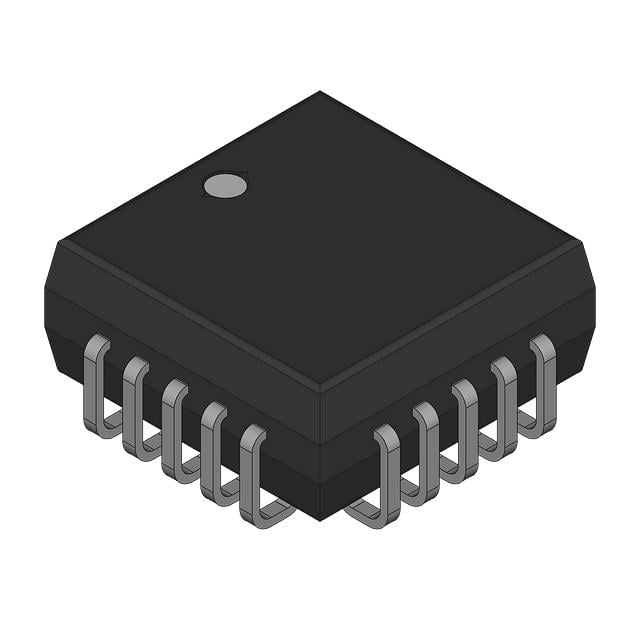
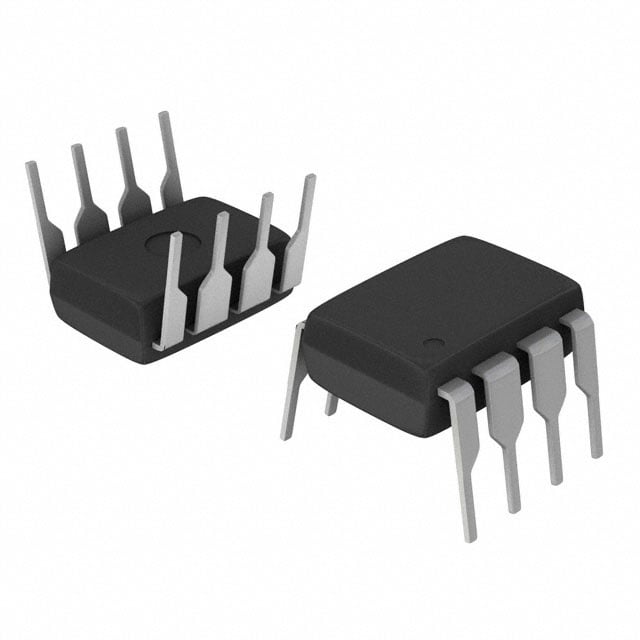
The Intel EPCS64SI16N is a serial configuration memory device designed for use in Field Programmable Gate Arrays (FPGAs) and other programmable logic devices. It is a member of the EPCS (EPCSx) family of Serial Configuration (CONFIG) devices, offering non-volatile storage for configuration data, making it a crucial component in FPGA-based systems. This device allows users to store and load configuration files, enabling the FPGA or other programmable logic devices to operate in a predefined manner when powered on.
## Key Specifications and Features
1. Memory Density:
* The EPCS64SI16N offers a storage capacity of 64 megabits (Mb), which equates to 8 megabytes (MB) of storage space for configuration data. This amount of memory is sufficient for storing configuration files for mid to high-density FPGAs and other complex programmable logic devices.
* The large memory density allows the EPCS64SI16N to handle more complex FPGA designs that require larger configuration data files, ensuring compatibility with a wide range of FPGA devices.
2. Interface Type:
* The EPCS64SI16N uses a Serial Peripheral Interface (SPI) to communicate with the host device, such as an FPGA. The SPI interface is widely used due to its simplicity, high-speed communication capabilities, and flexibility.
* The SPI interface supports a 4-wire connection (MOSI, MISO, SCK, and CS) for data transmission, making it an efficient and straightforward solution for connecting the memory device to FPGAs and other digital devices.
3. Voltage Supply:
* The EPCS64SI16N operates with a core supply voltage of 3.3V (typical), which is common for many modern logic devices, ensuring compatibility with a wide range of FPGA and system designs.
* It also features input voltage tolerances compatible with both 3.3V and 5V systems, which further enhances its usability in various designs, ensuring proper voltage levels for both the configuration memory and the FPGA.
4. Access Speed:
* The device supports high-speed read operations with a maximum clock frequency of 66 MHz. This enables fast data transfer during configuration loading, ensuring that the FPGA is quickly configured on power-up or when switching between different configurations.
* The high-speed access makes the device suitable for applications that require quick initialization and reconfiguration, such as real-time signal processing or data acquisition systems.
5. Programming Mode:
* The EPCS64SI16N supports both single-bit and multi-bit serial programming modes, providing flexibility in how the device's configuration data is written. It also supports in-system programming, meaning that the configuration data can be programmed into the device without needing to remove it from the system or use external programming equipment.
* This feature is particularly useful in systems that require frequent updates or modifications to their configuration data, such as custom hardware designs or prototyping environments.
6. Non-Volatility:
* As a non-volatile memory device, the EPCS64SI16N retains its configuration data even when the power is turned off. This ensures that the FPGA or programmable logic device is always configured correctly when power is restored, eliminating the need for reprogramming on every startup.
* The non-volatile nature of the device is critical in applications where the configuration data needs to be preserved across power cycles, such as in embedded systems or field-deployed devices.
7. Programming Time:
* The device offers a fast programming time, with the entire 64Mb configuration memory able to be programmed in approximately 12 seconds. This fast programming time is essential in applications where the configuration data may need to be updated or loaded quickly, ensuring minimal downtime during system initialization.
* The quick reconfiguration capabilities are especially useful in systems requiring dynamic updates or hot-swappable modules.
8. Device ID and Unique Serial Number:
* The EPCS64SI16N contains a unique device ID that can be read through the SPI interface. This feature is useful for system diagnostics, as it allows the host system to identify the configuration memory device.
* It also supports a unique serial number for system-level identification, enabling multiple units to be tracked individually in large systems.
9. Data Integrity and Security:
* The EPCS64SI16N features error detection during the data readback process to ensure that the configuration data is accurately transferred to the FPGA during configuration. This helps ensure the integrity of the configuration data, reducing the risk of errors during startup or reconfiguration.
* The device also supports secure data encryption, providing an additional layer of protection for the configuration data, ensuring that it cannot be easily tampered with or intercepted during transmission. This is particularly important in applications where security is a concern, such as military or financial systems.
10. Low Power Consumption:
* The EPCS64SI16N is designed with low power consumption in mind, making it suitable for use in battery-operated or energy-efficient systems. The device typically consumes less than 10 mA during read operations and can enter a low-power standby mode when not in use, helping to extend battery life and reduce overall power consumption in the system.
* This low-power feature is beneficial for embedded systems, mobile devices, and other applications where power efficiency is a critical factor.
11. Temperature Range:
* The EPCS64SI16N operates across a wide temperature range of -40°C to +85°C, making it suitable for a wide range of environmental conditions. This extended temperature range ensures that the device can perform reliably in harsh operating environments, such as industrial machinery or automotive applications.
* The device is also suitable for use in commercial and consumer electronics, where reliability over a wide range of temperatures is necessary.
12. Package Type:
* The EPCS64SI16N is packaged in a TQFP-48 (Thin Quad Flat Package) with 48 pins. This package type offers a compact form factor that is suitable for use in systems with limited board space.
* The TQFP package is widely used in modern surface-mount technology (SMT) assembly processes, making it easy to integrate the device into high-density, high-performance system designs.
13. Applications:
* FPGA-Based Systems: The EPCS64SI16N is commonly used in FPGA-based designs, where it stores the configuration data required to initialize the FPGA during startup. It is ideal for systems that require high-density configuration memory, such as communications, video processing, and signal processing.
* Embedded Systems: The device is suitable for embedded systems that require flexible and reconfigurable hardware, such as industrial control systems, automated test equipment, networking devices, and automotive applications.
* Prototyping and Development: The EPCS64SI16N is widely used in prototyping and development environments where rapid configuration changes or hardware testing are required. Its fast programming time and flexibility make it ideal for use in these environments.
* Consumer Electronics: The device is used in various consumer electronics, including smart TVs, audio systems, and gaming consoles, where reliable and efficient configuration memory is necessary.
14. Device Compatibility:
* The EPCS64SI16N is compatible with various Intel FPGAs, including the Cyclone, Arria, and Stratix families. It can be used to configure a range of devices in these families, offering flexibility in system design.
* Additionally, the EPCS64SI16N can be used with other programmable logic devices that support SPI configuration, providing versatility in how it can be integrated into different designs.
15. Security Features:
* The EPCS64SI16N includes write protection mechanisms to prevent accidental or unauthorized modifications to the configuration data. This ensures that the configuration data remains secure, especially in applications where data integrity and protection are critical.
* The device also supports data encryption, which ensures that the configuration data cannot be easily accessed or tampered with during transfer, adding an extra layer of security for sensitive applications.
## Conclusion
The Intel EPCS64SI16N is a high-performance, serial configuration memory device with a 64Mb storage capacity designed for use in FPGA-based systems and other programmable logic devices. With its high-speed data access, low power consumption, electrical isolation, and secure data features, it provides a reliable and efficient solution for storing configuration data in systems requiring reconfigurability. Its compatibility with a wide range of FPGAs and its robust performance in diverse environmental conditions make it a versatile and essential component in industrial, consumer, and embedded system applications.
.jpg)