The Fairchild Semiconductor KA2901 is an operational amplifier designed to offer reliable performance for various analog signal processing applications. Here’s a detailed overview of its specifications and features:
## Overview
The KA2901 is a high-performance, general-purpose operational amplifier (op-amp) from Fairchild Semiconductor, now part of ON Semiconductor. It’s designed to provide stable operation and low noise characteristics for a wide range of applications in analog electronics.
## Key Specifications
1. General Characteristics:
- Type: Operational Amplifier
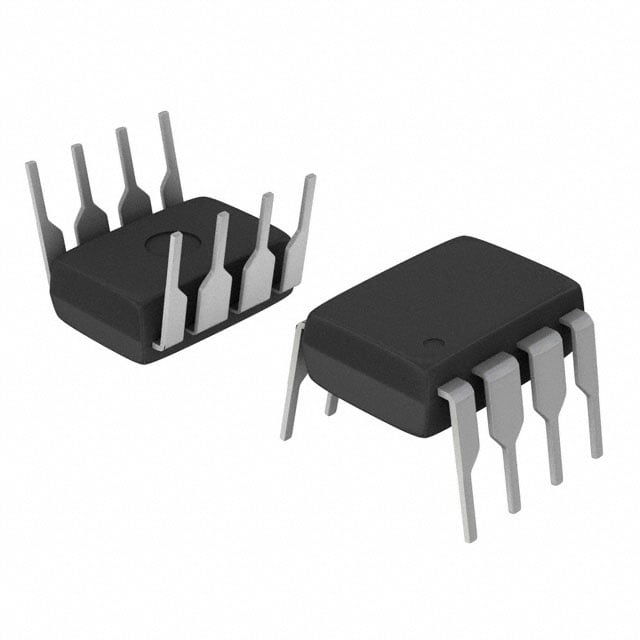
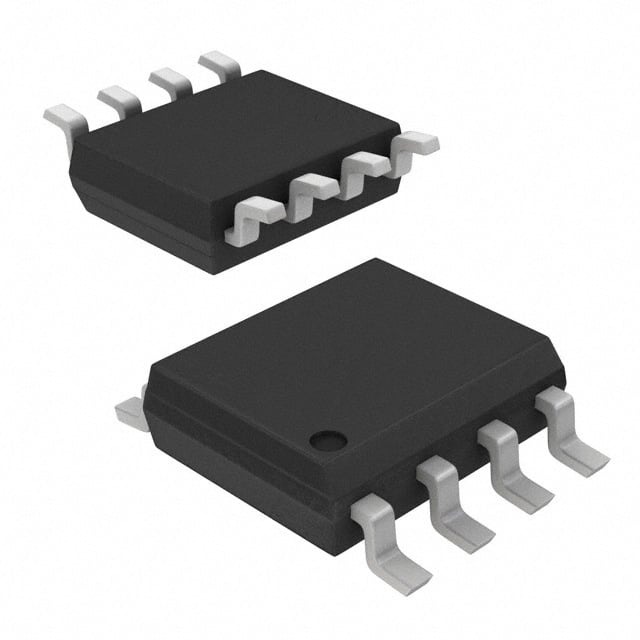
- Package Types: Available in various packages including 8-pin dual in-line package (DIP) and surface-mount packages.
- Operating Temperature Range: Typically from -40°C to +85°C, ensuring reliability in various environmental conditions.
2. Electrical Specifications:
- Supply Voltage:
- Single Supply: +3V to +15V
- Dual Supply: ±1.5V to ±15V
- Input Offset Voltage: Typically 1 mV, with a maximum of 5 mV. This parameter indicates the inherent voltage difference required to make the output zero when the inputs are shorted.
- Input Bias Current: Typically 50 nA, representing the average of the input currents at the inverting and non-inverting terminals.
- Input Offset Current: Typically 10 nA, which is the difference between the input bias currents of the inverting and non-inverting terminals.
- Gain Bandwidth Product (GBP): Typically 1 MHz, indicating the frequency at which the gain of the op-amp drops to 1 when used in a unity-gain configuration.
- Slew Rate: Typically 0.5 V/µs, which is the maximum rate of change of the output voltage, indicating how quickly the amplifier can respond to changes in the input signal.
3. Performance Characteristics:
- Open-Loop Voltage Gain: Typically 100 dB, representing the gain of the op-amp without feedback.
- Common-Mode Rejection Ratio (CMRR): Typically 90 dB, which measures the op-amp’s ability to reject common-mode signals, improving its performance in noisy environments.
- Power Supply Rejection Ratio (PSRR): Typically 90 dB, indicating the op-amp’s ability to reject variations in the supply voltage.
4. Dynamic Performance:
- Total Harmonic Distortion (THD): Typically low, ensuring minimal distortion in audio and signal processing applications.
- Output Voltage Swing: Typically ±12V on a ±15V supply, allowing the output to swing close to the supply rails, which is useful for driving loads with higher voltage requirements.
5. Input Characteristics:
- Input Impedance: High input impedance to minimize loading effects on the preceding stage, typically around 10^6 Ω.
- Output Impedance: Low output impedance to ensure efficient power transfer and minimal signal degradation.
6. Applications:
- Signal Conditioning: Used in amplifying, filtering, and buffering signals in various electronic circuits.
- Analog Computation: Suitable for performing mathematical operations like addition, subtraction, integration, and differentiation.
- Active Filters: Ideal for designing high-pass, low-pass, and band-pass filters in audio and communication systems.
- Instrumentation Amplifiers: Can be configured to measure small signals with high accuracy and low noise.
7. Features:
- Low Noise: Designed to operate with minimal noise, making it suitable for precision applications.
- Stable Operation: Offers stable performance over a wide range of operating conditions and temperatures.
- Versatility: Useful in various analog signal processing tasks due to its wide range of features and specifications.
## Summary
The Fairchild Semiconductor KA2901 is a versatile and high-performance operational amplifier, known for its stability, low noise, and reliable operation across a wide range of conditions. Its specifications, such as a low input offset voltage, high gain bandwidth product, and low slew rate, make it suitable for a variety of analog applications, including signal conditioning, active filtering, and instrumentation. For detailed design and application guidelines, consulting the official datasheet is recommended.