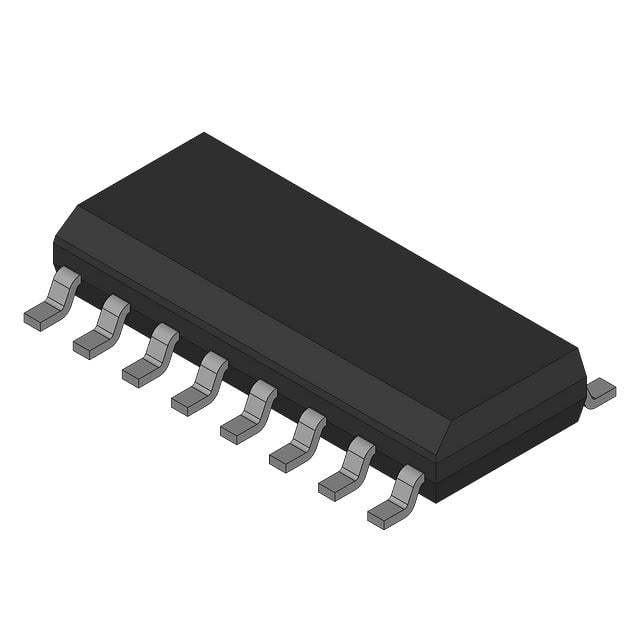
The Maxim Integrated MAX232ESE is a highly integrated, dual-driver and receiver chip designed to facilitate the communication between devices using serial communication, specifically for converting signals from RS-232 voltage levels to TTL/CMOS logic levels and vice versa. This IC is part of the MAX232 family, which is widely used in serial communication systems for reliable data transmission. The MAX232ESE is commonly employed in applications such as computer peripherals, communication equipment, and industrial automation where robust serial communication is required.
## Key Specifications:
* Transceiver Type: The MAX232ESE is a dual-driver and dual-receiver chip, which means it can simultaneously handle both transmitting and receiving signals. It converts the RS-232 standard voltage levels (±12V) to TTL/CMOS logic levels (0V to 5V or 0V to 3.3V) and vice versa. This makes it ideal for interfacing between microcontrollers or logic circuits and external RS-232 devices.
* Voltage Supply: The MAX232ESE operates from a single 5V supply (typically 5V ±10%) and consumes very little current, making it energy-efficient for use in battery-powered applications. This single-supply operation simplifies system design since no additional power supply is needed for the device.
* RS-232 Voltage Levels: The MAX232ESE supports RS-232 voltage levels, which typically range from ±12V for the logic high and logic low states. The device ensures that these high voltages are properly converted to the lower voltage logic levels for use in TTL and CMOS logic systems.
* Input and Output Logic Levels:
* TTL Logic Level: When the device is transmitting or receiving data at the TTL logic level, the input voltage must range from 0V to 3.3V or 0V to 5V (depending on the operating logic voltage).
* RS-232 Logic Level: The output voltage for RS-232 levels can go as high as ±12V, where a logic high represents +12V and a logic low represents -12V.
* Data Rate: The MAX232ESE can support data rates up to 120 kbps (kilobits per second) under typical operating conditions, which is sufficient for many communication protocols, including serial communication for embedded systems, data acquisition, and modems.
* Channels: The MAX232ESE integrates two independent drivers (for transmitting data) and two independent receivers (for receiving data), allowing it to handle full-duplex communication with a single device. This design makes the MAX232ESE useful for two-way serial data communication.
* Driver Output Voltage Swing: The output voltage swing for the drivers can range from +12V to -12V, ensuring compatibility with RS-232 communication standards and providing reliable signal transmission over longer distances.
* Receiver Input Voltage Thresholds:
* The input voltage thresholds for the receivers are typically ±3V. When the input signal is within the defined voltage range, the MAX232ESE ensures proper logic level detection and data reception.
* Low Power Consumption: The device operates with a low quiescent current of typically 1.5 mA per channel, which is ideal for power-sensitive applications like portable or battery-operated systems.
* Package Type: The MAX232ESE is available in a 16-pin SOIC (Small Outline Integrated Circuit) package, which is commonly used for surface-mount applications. This package offers a compact form factor that is suitable for space-constrained designs.
* Operating Temperature Range: The MAX232ESE is rated to operate within a temperature range of -40°C to +85°C, making it suitable for use in both commercial and industrial environments.
## Features:
* Full-Duplex Communication: The MAX232ESE supports full-duplex communication, allowing data to be transmitted and received simultaneously. This is a key feature for systems that require continuous data flow in both directions, such as computer serial ports, modems, and network devices.
* Integrated Capacitors: One of the notable features of the MAX232ESE is its ability to operate without external capacitors. The internal charge-pump voltage generators allow the chip to generate the necessary voltage levels for RS-232 communication from a single supply voltage. This simplifies the design and reduces the number of external components required.
* Low-Voltage Operation: The device is designed for operation with a single 5V supply, which is standard for many digital systems and embedded microcontroller applications. The MAX232ESE can still communicate with devices that require RS-232 levels of voltage, ensuring compatibility with legacy systems.
* Easily Interface with Microcontrollers: The MAX232ESE is commonly used to interface microcontrollers with external RS-232 devices, such as PCs, sensors, or communication modules. It provides a straightforward way to convert the serial data between TTL or CMOS logic and RS-232 voltage levels, enabling reliable communication between components that use different logic families.
* High Noise Immunity: RS-232 signals are relatively immune to noise, especially when compared to TTL logic signals. This allows for communication over longer distances with lower susceptibility to external interference, making the MAX232ESE useful in industrial environments or systems where signal integrity is important.
* High ESD Protection: The MAX232ESE is designed to be robust against electrostatic discharge (ESD), which is critical for maintaining reliability and preventing damage to sensitive components, especially in environments prone to electrostatic build-up.
* Short Circuit Protection: The drivers in the MAX232ESE are equipped with short-circuit protection, which helps prevent damage to the IC and ensures that it remains functional even in the case of faults or unexpected conditions on the output pins.
## Performance Characteristics:
* Reliable Signal Conversion: The MAX232ESE excels in converting RS-232 levels to TTL logic levels and vice versa, ensuring that data is transmitted and received accurately across the serial interface.
* Low Voltage Operation: Despite supporting RS-232 communication standards that typically use higher voltage levels, the MAX232ESE operates with low-voltage logic systems. This makes it ideal for integrating with microcontrollers, FPGA, and CPLD circuits, which often operate at lower voltages such as 3.3V or 5V.
* Speed: With the capability to support data rates up to 120 kbps, the MAX232ESE is suitable for moderate-speed applications, such as simple serial port communication or data acquisition systems, where higher speeds are not necessary.
* Power Efficiency: The MAX232ESE operates with low power consumption, making it ideal for use in portable or battery-operated devices. Its quiescent current of just 1.5 mA per channel helps extend battery life in applications like remote sensors or mobile communication systems.
## Applications:
* Microcontroller Communication: The MAX232ESE is widely used to interface microcontrollers with RS-232-based communication devices, such as personal computers, modems, or networking equipment. It is often employed in systems that need serial communication, like embedded control systems, home automation, and industrial monitoring equipment.
* Embedded Systems: Many embedded systems that require serial communication use the MAX232ESE to handle data transmission and reception between TTL or CMOS logic-level devices and RS-232 devices. This includes communication between development boards (e.g., Arduino, Raspberry Pi) and external devices like sensors or computers.
* Serial Data Communication: The MAX232ESE is commonly used in devices where reliable, long-distance serial communication is required, such as in industrial control systems, point-of-sale (POS) systems, and remote monitoring equipment.
* Modem Interface: The MAX232ESE is often used in modem applications, where it converts the RS-232 signals between a modem and a microcontroller, enabling communication with older telecommunication systems or legacy equipment.
* Data Acquisition Systems: The device is used in data acquisition systems to interface various sensors or measurement devices that communicate using RS-232, allowing them to be read by modern microcontrollers or processing systems.
* Communication Modules: The MAX232ESE can be used in communication modules for industrial control, automation systems, and other applications that require reliable serial communication, such as RS-232 to TTL converters.
## Conclusion:
The MAX232ESE from Maxim Integrated is a versatile and reliable dual-driver/dual-receiver IC designed for converting RS-232 voltage levels to TTL/CMOS logic levels and vice versa. It is widely used in applications that require serial communication, including embedded systems, modems, data acquisition, and industrial control systems. With its low power consumption, single 5V supply operation, and internal charge-pump capacitors, the MAX232ESE simplifies circuit design and reduces component count. Its compatibility with microcontrollers, legacy RS-232 devices, and its ability to support data rates up to 120 kbps make it a preferred choice for serial communication in a variety of electronic systems.