## MC705P6ACDWE Overview
The MC705P6ACDWE is a member of the MC68HC05 family of microcontrollers produced by Motorola (now part of NXP Semiconductors). It is designed for embedded control applications, providing a combination of robust processing power, memory resources, and peripheral functionality within a compact form factor. The MC705P6ACDWE is particularly well-suited for applications in automotive, industrial, and consumer electronics where reliability, performance, and cost-effectiveness are critical.
## Key Features
1. Processor Core and Performance:
- Core: 8-bit CPU based on the HC05 architecture.
- Clock Speed: Up to 8 MHz.
- The MC705P6ACDWE is based on the HC05 CPU, which offers a balance of simplicity and functionality for embedded control tasks. The maximum clock speed of 8 MHz provides sufficient processing power for many applications while maintaining low power consumption.
2. Memory:
- Flash Memory: 4 KB.
- RAM: 256 bytes.
- The microcontroller features 4 KB of Flash memory for program storage and 256 bytes of RAM for data. This configuration supports a range of applications, from simple control tasks to more complex algorithms, while keeping the overall system cost low.
3. Package and Form Factor:
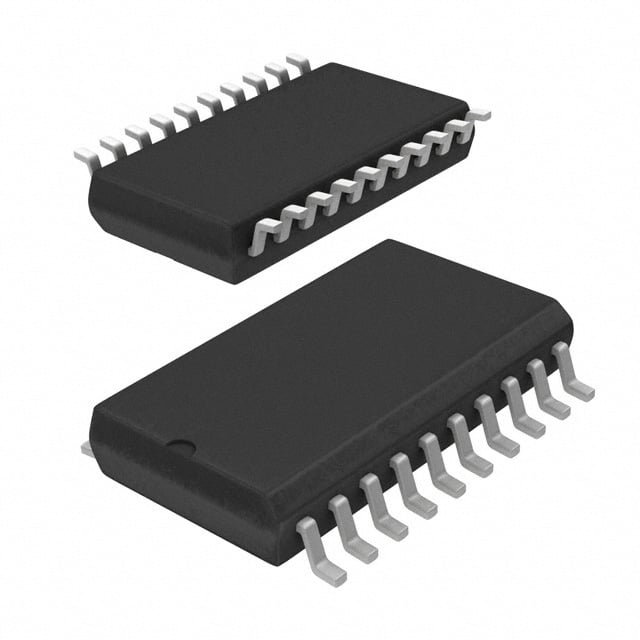
- Package Type: DIP-28 (Dual In-line Package with 28 pins).
- Package Size: 600 mils (15.24 mm) wide.
- The DIP-28 package is designed for ease of use in prototyping and production environments. Its pin layout simplifies integration into various PCB designs and allows for straightforward soldering and connection.
4. I/O and Peripherals:
- General Purpose I/O (GPIO): 21 GPIO pins.
- Timers:
- 1 Timer with 16-bit functionality.
- 2 Timers with 8-bit functionality.
- Serial Communication:
- 1 UART for asynchronous serial communication.
- Analog-to-Digital Converter (ADC):
- 8-bit ADC with multiple channels.
5. Clocking and Timing:
- Clock Source: Internal oscillator with options for external crystal oscillators.
- Timer Functions: Includes a range of timers for generating precise time delays, measuring time intervals, and generating pulse-width modulation (PWM) signals.
6. Power Supply and Consumption:
- Supply Voltage: 4.5V to 5.5V.
- The MC705P6ACDWE operates within a 5V supply range, which is standard for many embedded systems. Its power consumption is relatively low, making it suitable for battery-operated and low-power applications.
7. Development and Debugging:
- Programming Interface: Requires external programming hardware.
- Debugging: Limited debug features, with reliance on external tools for in-circuit debugging and programming.
## Applications
1. Automotive Systems:
- The MC705P6ACDWE is suitable for automotive control systems, including lighting controls, sensor interfaces, and basic engine management tasks. Its robustness and reliability are key for automotive environments.
2. Industrial Control:
- In industrial settings, the microcontroller can be used for tasks such as motor control, process monitoring, and user interface management. Its ability to handle timers and GPIOs makes it versatile for various industrial applications.
3. Consumer Electronics:
- Applications in consumer electronics, such as remote controls, small household appliances, and electronic toys, benefit from the MC705P6ACDWE%27s simplicity and cost-effectiveness.
4. Embedded Systems:
- The microcontroller is also suitable for a broad range of embedded systems where compact size, moderate processing power, and sufficient peripheral support are required.
## Design Considerations
1. Power Management:
- The MC705P6ACDWE%27s power consumption is relatively low, but careful design considerations should be given to power supply decoupling and energy-efficient operation to maximize battery life in portable applications.
2. Clock Configuration:
- Ensure the clock source is properly configured to meet the timing requirements of your application. External crystal oscillators can be used for higher accuracy if needed.
3. Peripheral Utilization:
- Proper configuration and utilization of timers, GPIOs, and ADCs are essential for meeting the functional requirements of your application while minimizing resource usage.
4. PCB Layout:
- The DIP-28 package allows for easy integration into PCBs. Careful layout of traces, especially for power and ground connections, is important to ensure stable operation and minimize noise interference.
5. Firmware Development:
- Developing firmware for the MC705P6ACDWE involves working within the constraints of its memory and processing capabilities. Efficient coding practices and optimization techniques can help maximize the performance of your application.
## Conclusion
The MC705P6ACDWE microcontroller offers a reliable and cost-effective solution for a range of embedded control applications. With its 8-bit CPU, 4 KB of Flash memory, and a versatile set of peripherals, it is well-suited for tasks requiring moderate processing power and peripheral support. Its DIP-28 package facilitates easy integration and prototyping, making it a practical choice for various automotive, industrial, and consumer electronics applications. Careful attention to power management, clock configuration, and peripheral utilization will help developers make the most of the MC705P6ACDWE’s capabilities, resulting in effective and efficient embedded system designs.